Posted On October 18, 2024
Why Healthcare IT Consulting is Essential for Expanding Patient Portals
Introduction to Healthcare IT Consulting in Patient Portals
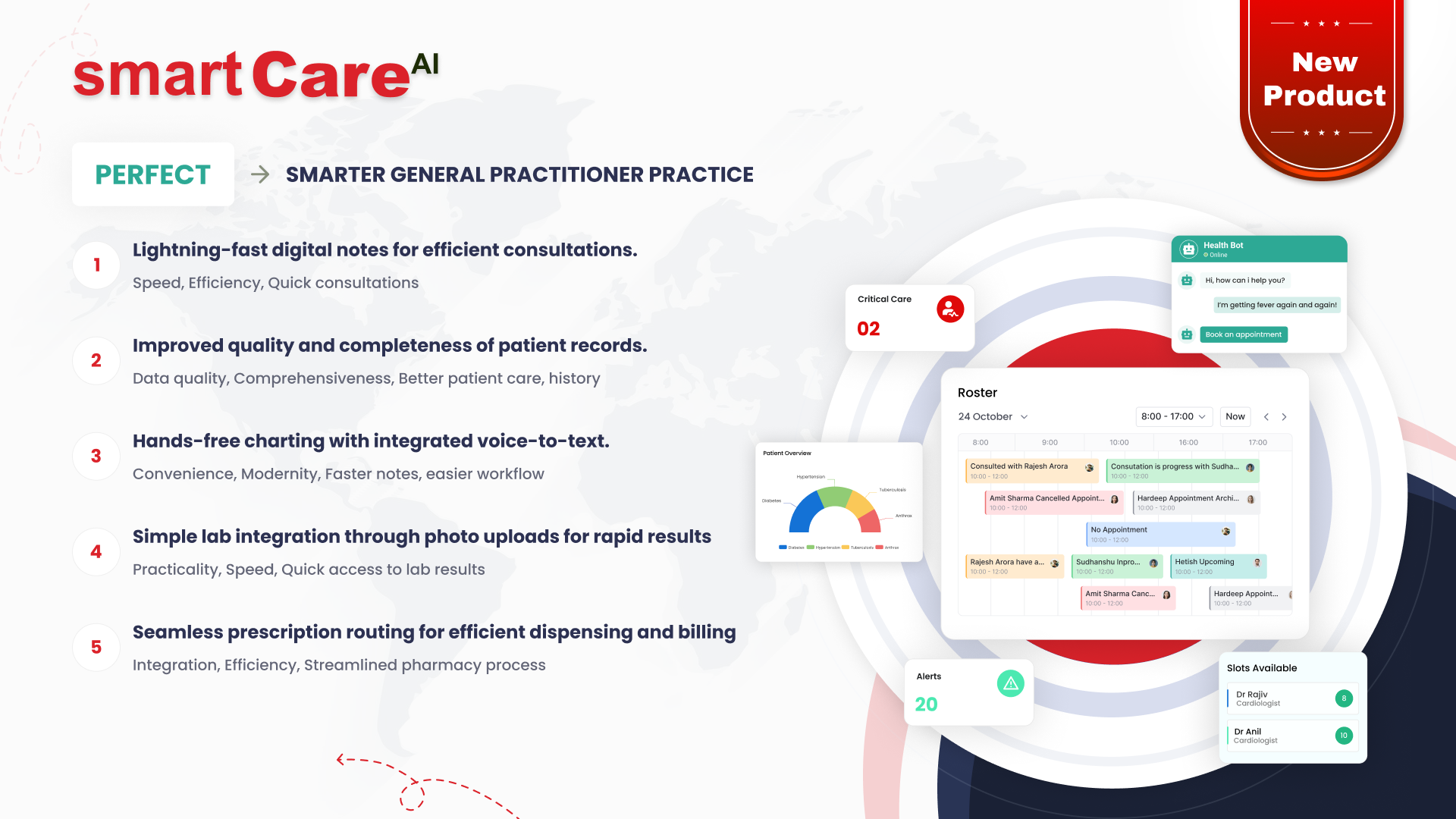
Healthcare IT consulting plays a crucial role in the development and expansion of patient portals. These platforms are becoming essential tools for hospitals and clinics, offering patients easy access to their medical records, appointment scheduling, and direct communication with healthcare providers. With the growing complexity of healthcare systems, specialised IT consulting is needed to ensure smooth integration, security, and enhanced functionality of these portals.
The Growing Importance of Patient Portals in Modern Healthcare
As more patients seek control over their healthcare journey, patient portals have gained importance in modern healthcare. They empower patients by providing access to medical records, test results, and treatment plans from the comfort of their homes. Expanding these portals, however, requires a deep understanding of both healthcare systems and technology, making IT consulting essential for healthcare providers looking to offer a seamless experience.
How IT Consulting Improves Patient Portal Integration
One of the key benefits of healthcare IT consulting is the expertise it brings in integrating patient portals with existing systems. Whether it’s integrating Electronic Health Records (EHR) or improving communication channels between patients and healthcare providers, IT consultants help ensure that different systems work together efficiently. This reduces technical errors, improves data flow, and ensures that patients have uninterrupted access to the information they need.
Customised Solutions for Expanding Patient Portal Features
No two healthcare systems are alike, and patient portal needs vary between institutions. Healthcare IT consulting provides tailored solutions based on the specific needs of each provider. Consultants assess current systems and identify opportunities for adding new features—such as telemedicine integration, mobile access, or appointment reminders—that improve patient engagement and overall healthcare service delivery.
Ensuring Data Security and Privacy in Patient Portals
As healthcare data is highly sensitive, security is paramount in patient portals. Healthcare IT consulting is essential in ensuring that patient data remains secure and compliant with regulatory standards. Consultants implement security protocols such as data encryption, two-factor authentication, and regular audits to protect both healthcare providers and patients from data breaches.
Enhancing User Experience Through IT Consulting
One of the key goals of expanding patient portals is to improve user experience. Healthcare IT consulting plays a crucial role in this by ensuring that the portals are intuitive, easy to navigate, and accessible to all users. Consultants work closely with healthcare providers to customise the portal design, making sure it caters to both patients’ and staff’s needs. Whether it’s simplifying appointment scheduling, improving communication channels, or ensuring seamless access to medical records, IT consulting ensures that the portal enhances patient satisfaction and overall experience.

Optimising Patient Engagement with Tailored IT Strategies
A well-designed patient portal is not just about access to information; it’s about engaging patients in their healthcare journey. Healthcare IT consultants help optimise patient engagement by integrating features that encourage active participation. For instance, they can incorporate tools like health trackers, personalised reminders, and educational resources that motivate patients to stay on top of their health. By implementing tailored strategies, IT consultants ensure that patient portals are more than just informational—they become a platform for proactive healthcare management.
The Role of IT Consultants in Streamlining Patient Data Access
Patient portals are only valuable if they provide quick and secure access to medical data. IT consultants ensure that healthcare providers can offer this by streamlining the flow of information between the portal and other medical systems. They help integrate electronic health records (EHR) and ensure that data is updated in real-time. This not only improves patient care but also reduces administrative burdens on healthcare staff. With IT consultants handling the technical aspects, healthcare providers can focus on delivering better patient care without worrying about data lags or errors.
Overcoming Technical Challenges with Professional IT Guidance
Expanding a patient portal is a complex process that involves multiple technical challenges such as system integration, data migration, and ensuring user-friendly design. Healthcare IT consultants bring professional expertise to address these issues efficiently. They identify potential roadblocks and provide solutions that minimise disruption. For example, they ensure the compatibility of existing healthcare systems with new features in the portal. Their guidance ensures a smooth expansion process, reducing the risk of downtime or user frustration.
The Long-term Benefits of Healthcare IT Consulting for Patient Portals
The benefits of working with healthcare IT consultants extend far beyond the immediate expansion of patient portals. By investing in professional consulting, healthcare providers ensure their systems are scalable and adaptable to future needs. IT consultants help establish a solid foundation that supports the growth of digital healthcare services. Whether it’s integrating advanced telemedicine features or staying ahead of regulatory changes, the long-term partnership with IT consultants prepares healthcare systems for future innovations, improving both patient care and operational efficiency.
Conclusion
Healthcare IT consulting is essential for expanding patient portals as it ensures an enhanced user experience, optimised patient engagement, and streamlined data access. Consultants help overcome technical challenges while providing long-term benefits that future-proof healthcare systems, making them more efficient and patient-focused.
Share on: