Posted On November 26, 2025
Key Enterprise Software Features That Boost Productivity in 2025
Modern User Interface and Intuitive Design
In 2025, the way users interact with software matters more than ever. A modern, clean user interface (UI) with intuitive design reduces time spent on learning and navigation. When software feels natural and easy to use, employees can focus on their work rather than struggling with the tool. This improves productivity and helps new team members onboard faster without extensive training.
Cloud-Based Collaboration and Real-Time Sharing
Cloud-based solutions enable teams to work together seamlessly, no matter where they are located. Real-time document sharing, edits, and collaboration mean colleagues can collaborate on projects instantly instead of waiting for file versions or manual updates. This reduces delays, ensures everyone is on the same page, and helps maintain smooth workflows even when remote or distributed work is involved.
Automated Workflows to Reduce Repetitive Tasks
Automation is a key productivity booster. Enterprise software that supports automated workflows can handle repetitive, rule-based tasks — like approvals, notifications, or data entry — so employees don’t have to do them manually. This saves time, reduces human error, and frees up staff to focus on more strategic or creative work. Automation helps streamline business processes, making operations more efficient and reliable.
Integrated Communication and Messaging Tools
Having communication tools built directly into enterprise software brings convenience and speed. Instead of switching between multiple apps to chat, email, or collaborate, teams can communicate within the same platform where they manage work. This reduces context switching, keeps all work-related communication organised, and speeds up decision-making. Integrated messaging and communication contribute significantly to smoother teamwork and faster responses.
Advanced Analytics and Reporting Dashboards
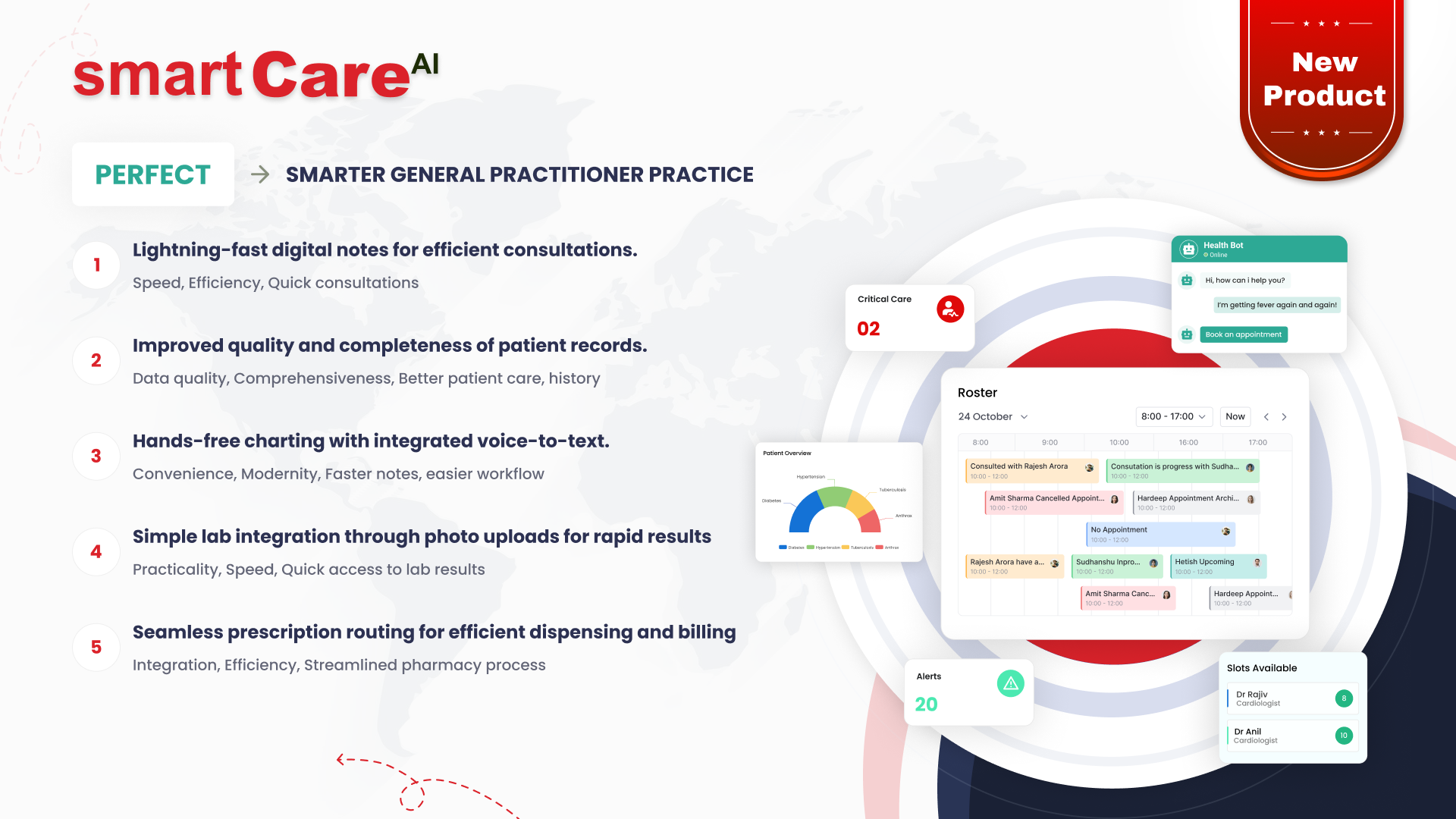
Enterprise software that offers built-in analytics and reporting dashboards helps organisations make data-driven decisions. By presenting real-time insights, performance metrics, and project progress in a clear visual format, management and teams can quickly see where resources are being used, identify bottlenecks, and track productivity. This visibility supports smarter planning, better resource allocation, and continuous improvement.
Mobile Accessibility: Work from Anywhere
With remote work and hybrid schedules becoming more common, enterprise software must support mobile accessibility. Employees should be able to access essential tools on smartphones or tablets — whether they are travelling, working from home, or on client sites. Mobile access helps teams stay connected, respond quickly to tasks, and maintain productivity without being tied to a desktop or office location. In 2025, mobility is not just a convenience — it’s a necessity.
Robust Security and Access Control
As companies rely more heavily on software, security becomes a critical concern. Enterprise systems must offer strong access control, encryption, and user-permission settings to protect sensitive data. A secure platform ensures that only authorised personnel can view or modify critical information. This protects company data and builds trust among clients and employees alike. Robust security measures safeguard against data breaches and help maintain smooth, uninterrupted operations.
Scalability to Match Growing Business Needs
Businesses evolve — they grow, expand, and sometimes shift direction. An effective enterprise software must offer scalability so it can grow with the organisation. Whether you’re adding new users, departments, or even entire business lines, a scalable solution adapts without requiring a complete overhaul. This flexibility helps businesses avoid downtime and ensures that their software remains a valuable tool over time.
Customisable Modules for Industry-Specific Workflows
Different industries have different needs. A manufacturing firm might need inventory tracking, while a marketing agency might prioritise project timelines and collaboration tools. Customisable software modules allow organisations to tailor the software to their specific workflow requirements. This means businesses pay only for the features they need and avoid clutter from irrelevant tools. Customisation also helps streamline operations, making software a much more efficient and relevant tool.
Seamless Integration with Other Enterprise Systems
In most modern organisations, enterprise software doesn’t operate in isolation. It needs to integrate smoothly with other tools — such as CRM systems, accounting software, communication platforms, or data analytics tools. Seamless integration eliminates the need for manual data transfer and reduces errors caused by duplication. This harmonised ecosystem ensures that teams have consistent, up-to-date information across all tools and departments, supporting faster, more accurate decision-making.
Conclusion
As businesses evolve in 2025, enterprise software must do more than simply store data — it must actively support productivity, collaboration, and informed decision-making. Features like intuitive design, cloud collaboration, automation, integrated communication, and analytics help teams work smarter, not harder. If you are looking to implement enterprise software tailored to your business needs, visit https://smartdatainc.com/.
Share on: