Posted On January 5, 2026
The Rise of Remote Patient Monitoring: Benefits for Clinics and Patients
Healthcare delivery is changing rapidly as technology plays an increasingly central role. One significant development is remote patient monitoring (RPM), which allows clinicians to gather patient health data outside traditional clinical settings. This shift is transforming care for both patients and healthcare providers by improving access, engagement, and outcomes. Below are key aspects of RPM and why it matters.
What Is Remote Patient Monitoring and Why It Matters
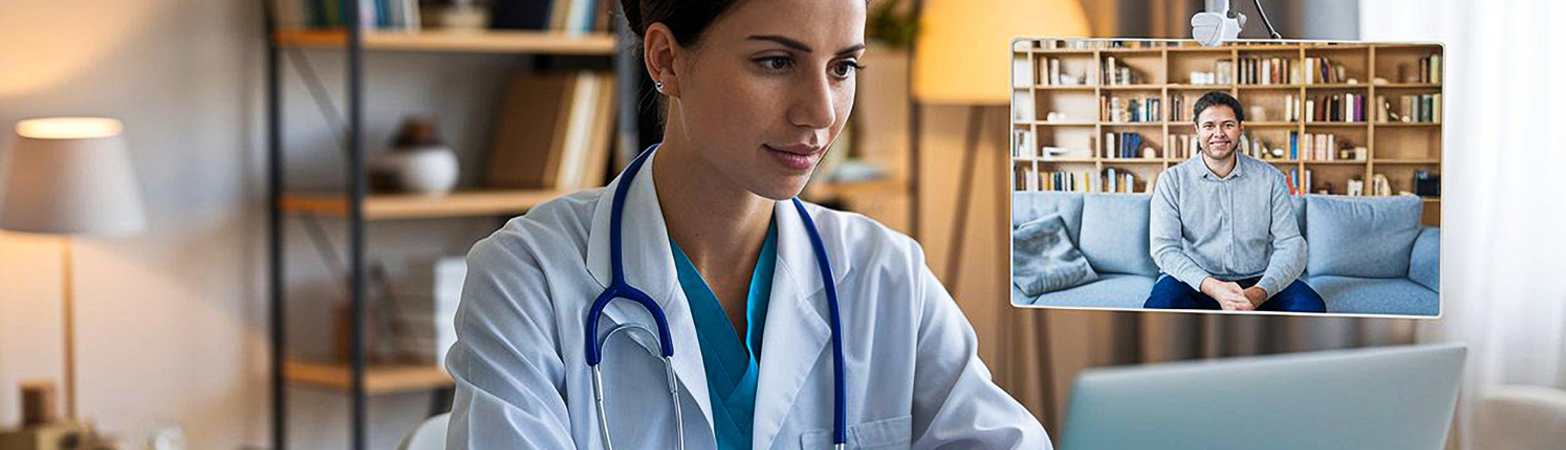
Remote patient monitoring involves using digital tools to collect health data from patients in their homes or everyday environments. Devices may track vital signs such as heart rate, blood pressure, blood glucose, and activity levels. The collected data is then shared securely with healthcare teams.
RPM matters because it brings care into the context of patients’ daily lives. Instead of waiting for the next clinic visit, clinicians can observe health trends in real time, leading to earlier interventions and better coordination of care.
How Technology Is Enabling Remote Monitoring Today
Advances in sensors, wearable devices, mobile apps, and secure connectivity have made RPM more accessible. Patients can use devices that automatically transmit data to clinicians without manual entry. Cloud-based systems store and manage this information, allowing care teams to view trends, receive alerts for concerning changes, and adjust treatment plans accordingly.
This technological ecosystem reduces errors, improves efficiency, and supports more personalised care, bridging the gap between home and clinical environments.
Improving Patient Engagement and Self-Care
RPM encourages patients to take a more active role in their health. When individuals can see their own health data, they are more likely to understand how their behaviours relate to outcomes. This awareness often leads to better adherence to medication, healthier lifestyle choices, and more meaningful conversations with care providers.
Increased engagement can drive better long-term health outcomes because patients feel more connected to their care plans and empowered to manage their conditions.
Reducing Hospital Visits Through Early Detection
A major benefit of RPM is the ability to detect changes in a patient’s condition early. Continuous or regular monitoring highlights trends that might otherwise go unnoticed until symptoms worsen. When clinicians can identify deterioration early, they can intervene promptly, potentially avoiding costly emergency visits or hospital admissions.
This proactive approach saves time, reduces strain on healthcare systems, and improves patient comfort by minimising unnecessary travel.
Enhancing Chronic Disease Management Remotely
Chronic conditions — such as diabetes, heart disease, and respiratory illnesses — require ongoing oversight. RPM offers a practical way to manage these conditions without frequent in-person appointments. Patients can measure key indicators from home, and clinicians can adjust treatments based on real-time data.
This model of care helps maintain stability, prevents complications, and supports more continuous communication between patients and care teams.
Supporting Clinics With Real-Time Health Data
Remote patient monitoring provides clinics with continuous access to real-time patient data, such as vital signs and activity levels. This ongoing flow of information allows healthcare professionals to stay informed about a patient’s condition without relying solely on scheduled appointments.
Having access to timely data helps clinics respond quickly to changes in patient health, improving care coordination and reducing the risk of unexpected complications.
Improving Clinical Decision-Making With Continuous Monitoring
Traditional care models often rely on limited data collected during in-person visits. Remote monitoring fills this gap by offering a more complete picture of a patient’s health over time.
With continuous data, clinicians can make better-informed decisions, adjust treatment plans more accurately, and identify patterns that may not be visible during short consultations. This leads to more personalised and effective care.
Making Healthcare More Accessible for Patients
Remote patient monitoring removes many barriers to care, especially for patients living in remote areas or those with mobility challenges. Patients can share health data from home, reducing the need for frequent travel to clinics.
This increased accessibility improves patient participation in care and helps individuals stay connected with their healthcare providers, even when in-person visits are difficult.
Reducing Costs for Clinics and Families
By enabling early intervention and reducing unnecessary hospital visits, remote patient monitoring can lower healthcare costs for both clinics and patients. Fewer emergency admissions and shorter hospital stays contribute to more efficient use of resources.
For families, reduced travel and fewer missed workdays also help ease the financial burden associated with ongoing medical care.
Preparing Healthcare Practices for a Digital Future
As healthcare continues to evolve, digital tools will play an increasingly important role. Remote patient monitoring supports this shift by integrating technology into everyday care delivery.
Clinics that adopt RPM are better prepared to meet future healthcare demands, improve operational efficiency, and deliver patient-centred care in a more flexible and scalable way.
Conclusion
The rise of remote patient monitoring reflects a broader shift toward patient-centred, data-informed care. By enabling earlier detection, improving patient engagement, enhancing chronic disease management, and incorporating everyday technology, RPM offers meaningful benefits for both clinics and patients. To explore how digital healthcare solutions can support your practice or organisation, visit https://smartdatainc.com/.
Share on: