Posted On January 14, 2026
How Healthcare Apps Improve Patient Engagement
Patient engagement has become a key focus for modern healthcare providers. When patients are actively involved in their own care, outcomes improve, communication strengthens, and overall satisfaction increases. Healthcare apps are playing an important role in this shift by offering tools that make health information and care activities more accessible and personalised. Below are some of the main ways healthcare apps enhance patient engagement.
What Patient Engagement Means in Modern Healthcare
Patient engagement refers to how involved patients are in managing their health and healthcare decisions. Engaged patients are more likely to follow treatment plans, attend appointments, and communicate openly with their providers. As healthcare becomes more digital, apps have emerged as practical tools that encourage patients to take an active role in their health journey. These apps make information easier to access and help patients stay connected with their care teams.
How Healthcare Apps Provide Easy Access to Medical Records
One of the main benefits of healthcare apps is the ability for patients to view their medical records anytime. Instead of relying on paper files or clinic visits, patients can check lab results, medication lists, and care history straight from their devices. Easy access to personal health data helps patients stay informed and better understand their conditions, empowering them to participate more actively in discussions about their care.
Appointment Scheduling Made Simple and Convenient
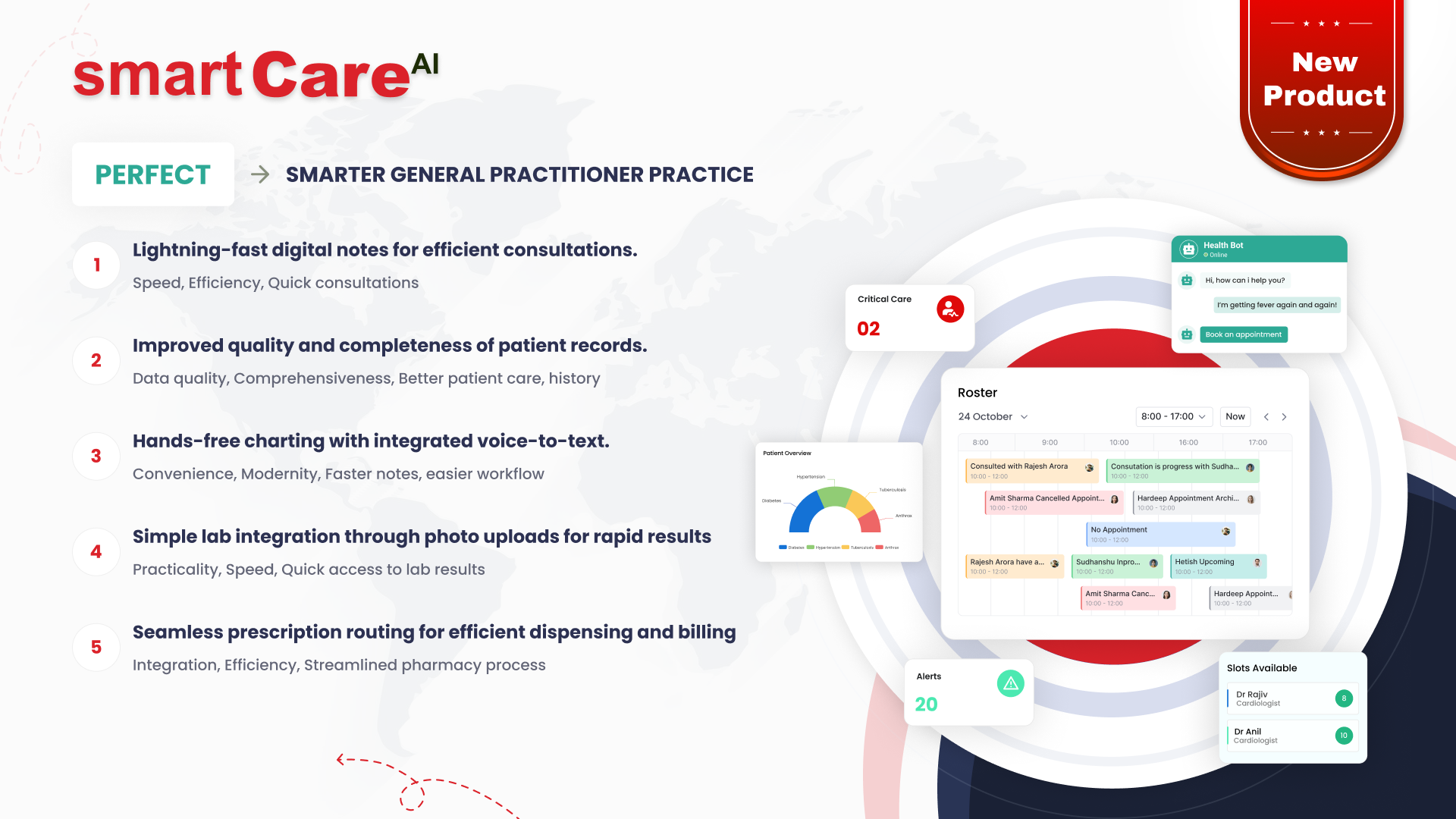
Traditional appointment scheduling often involves phone calls, waiting times, and back-and-forth communication. Healthcare apps streamline this process by allowing patients to book, reschedule, or cancel appointments with just a few taps. Many apps also show available time slots and provider details, making it easier for patients to choose what works best for their schedule. This convenience reduces barriers to care and encourages patients to keep up with routine health visits.
Enabling Secure Messaging Between Patients and Providers
Clear communication with healthcare providers is essential for patient engagement. Healthcare apps often include secure messaging features that allow patients to ask questions, share updates, or clarify treatment details without needing a clinic visit. These messaging tools support timely communication, help resolve concerns quickly, and strengthen the patient-provider relationship. Patients feel more supported when they can easily reach their care team.
Sending Automated Reminders for Appointments and Medications
Patients can forget appointments or miss doses of medication, which can affect treatment outcomes. Healthcare apps help prevent this by sending automated reminders directly to users’ phones. These notifications remind patients of upcoming visits, scheduled tests, and medication timings. By improving adherence to care plans, reminders help patients stay on track and reduce the risk of complications.
Offering Personalised Health Tips and Educational Content
One of the most valuable features of healthcare apps is their ability to deliver personalised content. Apps can tailor health tips, educational articles, and wellness reminders based on a patient’s medical history, conditions, and preferences. When patients receive information that relates directly to their health needs, they are more likely to engage regularly and make informed decisions about their care.
Tracking Wellness Goals Through Interactive Features
Healthcare apps often include tools that let patients set and track personal health goals. Whether it’s monitoring physical activity, tracking blood pressure, logging nutrition, or checking medication adherence, interactive features motivate patients to stay engaged with their health. Visual milestones and progress tracking help users see improvements over time, which fosters long-term healthy habits.
Supporting Remote Monitoring and Follow-Up Care
Remote patient monitoring is becoming increasingly important, especially for individuals managing chronic conditions. Healthcare apps can connect with wearable devices and home monitoring tools to share vital data with care teams. This continuous exchange allows clinicians to follow up promptly, adjust treatment plans, and intervene early when issues arise. As a result, patients feel more supported and connected to their providers even outside traditional clinic visits.
Encouraging Feedback and Continuous Improvement
Patient engagement also involves listening to patients. Many healthcare apps include feedback features that allow users to rate their experience, suggest improvements, and share concerns. This feedback loop helps organisations understand the patient perspective and refine services over time. Patients who feel heard and involved are more likely to stay engaged and committed to their care plans.
Strengthening Patient–Provider Relationships With Two-Way Communication
Effective communication lies at the heart of patient engagement. Healthcare apps enable secure messaging, video consultations, and direct communication between patients and their care teams. These tools make it easier for patients to ask questions, receive guidance, and discuss concerns without the need for in-person appointments. Stronger communication encourages trust and leads to more active participation in health decisions.
Conclusion
Healthcare apps are transforming how patients interact with their care. By making medical records accessible, simplifying scheduling, enabling secure communication, and providing reminders, these tools encourage patients to stay involved in their health. Greater engagement leads to better outcomes, stronger patient-provider relationships, and a more efficient care experience overall. To explore healthcare technology solutions that support improved patient engagement, visit https://smartdatainc.com/.
Share on: