Posted On February 8, 2026
How Healthcare Software Is Improving Patient Care and Operations
Healthcare software refers to specialised digital tools designed to support clinical work, administrative tasks, and patient engagement. These systems range from electronic health records (EHRs) to appointment platforms and analytics tools.
For healthcare providers, software streamlines workflows and ensures accurate documentation. For patients, it improves access to care and simplifies interactions with clinics and hospitals. By integrating technology into everyday practice, both sides benefit from more organised, transparent, and reliable processes.
Streamlining Patient Scheduling and Appointment Management
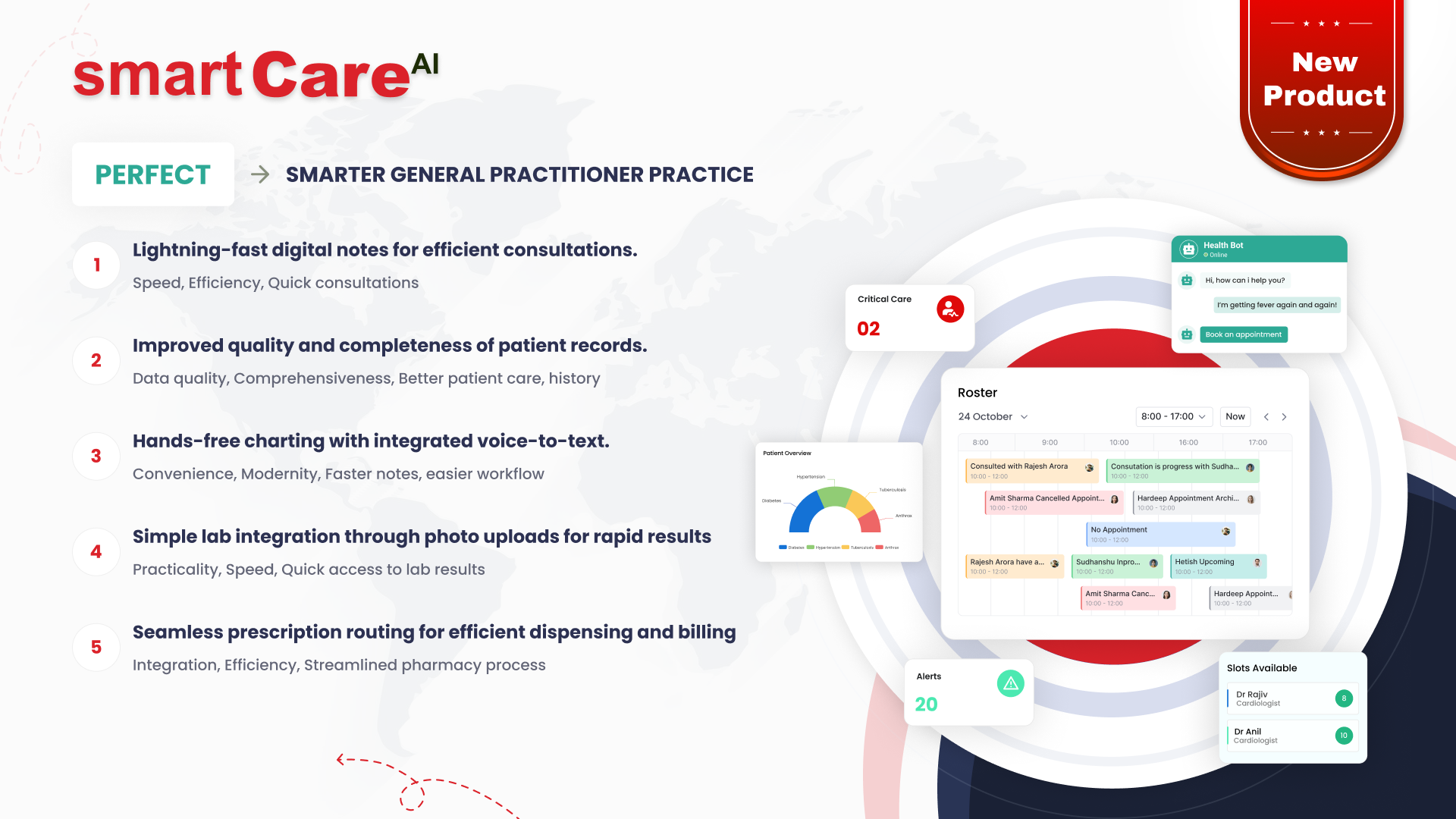
One of the first touchpoints in healthcare is scheduling an appointment. Traditional booking methods, such as phone calls or paper logs, are often slow and prone to mistakes. Healthcare software automates scheduling by allowing patients to book online, receive reminders, and reschedule easily.
This reduces no-shows and administrative workload while giving patients more flexibility. For staff, it means fewer interruptions and clearer daily schedules, allowing them to focus more on patient care.
Improving Accuracy of Medical Records and Documentation
Accurate medical records are essential for effective diagnosis and treatment. Manual record-keeping increases the risk of errors, especially when information is spread across different systems. Healthcare software centralises patient data, making it easy for providers to access complete histories, test results, and treatment plans.
This reduces the risk of miscommunication and ensures that all decisions are based on the most current information. Reliable records also support continuity of care when patients see multiple specialists or transfer between facilities.
Enhancing Communication Between Care Teams
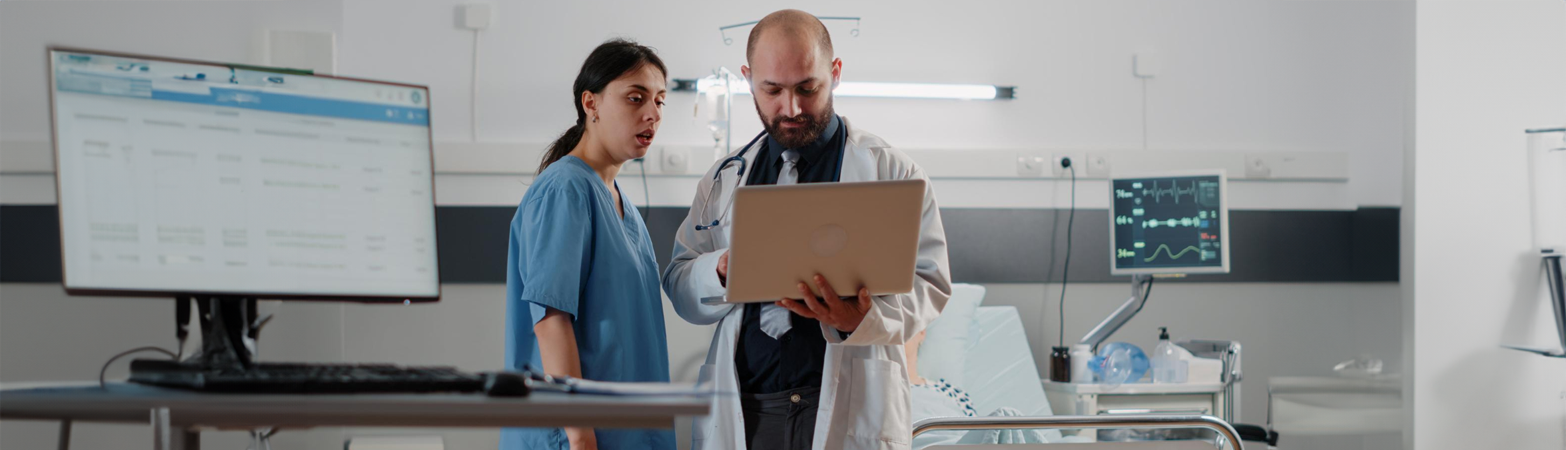
Effective communication among healthcare professionals is critical for coordinated care. Software platforms enable secure messaging, shared notes, and real-time updates that keep all members of a care team informed.
For example, a nurse can update a patient’s status after assessment, and a doctor can immediately review the note before making treatment decisions. This reduces delays, improves accuracy, and ensures that every team member has the information they need when it matters most.
Supporting Remote Care with Telehealth Solutions
Healthcare software has played a significant role in expanding access to care beyond traditional clinical settings. Telehealth solutions allow patients to consult with providers via video or secure messaging, which is particularly useful for follow-up visits, minor concerns, or patients with limited mobility.
These tools help maintain continuity of care while reducing the need for travel and lowering the burden on clinical facilities. Remote care options also help providers manage appointments more efficiently and serve a wider patient population.
Using Data to Personalise Patient Treatment Plans
Healthcare software allows clinicians to access comprehensive patient data quickly and accurately. This includes medical history, test results, allergies, and treatment responses. By analysing this information, care teams can design treatment plans tailored to each individual’s needs.
Personalised care not only improves outcomes but also reduces the risk of complications. When software brings relevant information together in one place, clinicians can make informed decisions with confidence and speed, improving the patient experience overall.
Reducing Administrative Burdens and Waiting Times
Administrative tasks such as billing, insurance claims, and record keeping can take significant time and resources. Healthcare software automates many of these processes, reducing the burden on staff and minimising delays.
With fewer manual steps, paperwork errors decrease and workflows become more streamlined. This means patients spend less time waiting for results, appointments, or approvals, and healthcare professionals can focus more on direct patient care.
Strengthening Patient Safety with Real-Time Alerts
Healthcare software can monitor patient conditions and clinical processes in real time. When an issue arises – such as abnormal vital signs, medication interactions, or overdue tests – the system can generate alerts for clinicians to take prompt action.
Real-time alerts help prevent adverse events and improve response times. This layer of support enhances patient safety and ensures that care teams are aware of critical developments as they happen.
Optimising Hospital Operations and Resource Use
Running a healthcare facility involves balancing limited resources such as staff time, equipment, and space. Software tools help administrators track resource use, manage inventory, and plan schedules more effectively.
For example, systems can predict peak periods for appointments or resource consumption, enabling better allocation of staff and equipment. This optimisation reduces bottlenecks, lowers costs, and supports a smoother operational flow across departments.
Challenges and Considerations When Implementing Healthcare Software
While healthcare software offers many benefits, implementing new systems can be challenging. Issues such as data migration, staff training, and interoperability with existing systems require careful planning.
Successful adoption involves involving key stakeholders early, providing adequate training, and ensuring that the software aligns with clinical workflows. Addressing these factors thoughtfully helps organisations make the most of their technology investments and avoid common pitfalls.
Conclusion
Healthcare software is transforming the way patient care and operations are delivered by streamlining scheduling, improving record accuracy, enhancing team communication, and enabling remote care. These improvements benefit both patients and healthcare providers by making processes more efficient, reliable, and patient-centred.
As technology continues to evolve, healthcare organisations can adopt digital solutions that support better outcomes and smoother operations. To explore how tailored healthcare software solutions can improve patient care and clinic workflows, visit https://smartdatainc.com/.
Share on: