Posted On June 2, 2026
How to Build a Secure Health Insurance Application
The health insurance industry is rapidly embracing digital technology to provide better services and improve customer experiences. Mobile applications now allow users to manage policies, submit claims, access healthcare information, and communicate with insurance providers from anywhere. However, because these applications handle highly sensitive personal and medical information, security must be a top priority throughout the development process.
Building a secure health insurance application requires careful planning, strong security measures, and compliance with industry regulations. By focusing on data protection and user trust, organisations can create reliable platforms that support both customers and healthcare partners.
Why Security Is Critical in Health Insurance Applications
Health insurance apps store and process a wide range of sensitive information, including personal details, medical records, payment information, and policy documents. Any security weakness could expose users to data breaches, identity theft, and financial fraud.
Strong security practices help protect customer information while maintaining trust in the application. Security is not simply a technical requirement; it is an essential part of delivering a safe and dependable digital insurance experience. Organisations that prioritise security are better positioned to protect both their users and their reputation.
Understanding the Key Requirements of a Health Insurance App
Before development begins, it is important to identify the core features and requirements of the application. Most health insurance apps include functions such as policy management, claim tracking, customer support, document uploads, and healthcare provider directories.
Developers must also consider security requirements from the start. This includes secure user authentication, protected data storage, compliance measures, and safe communication between systems. Building security into the application design from the beginning helps reduce risks later in the development process.
Protecting Sensitive Customer and Healthcare Data
Data protection is one of the most important aspects of health insurance app development. Customer records contain confidential information that must be safeguarded against unauthorised access and cyber threats.
Developers should implement secure storage solutions, limit access to sensitive information, and use data protection practices that reduce the risk of exposure. Regular security reviews and updates can also help ensure that customer information remains protected as technology and threats continue to evolve.
Implementing Strong User Authentication and Access Controls
User authentication plays a critical role in preventing unauthorised access to health insurance applications. Weak login systems can make it easier for attackers to gain access to sensitive information.
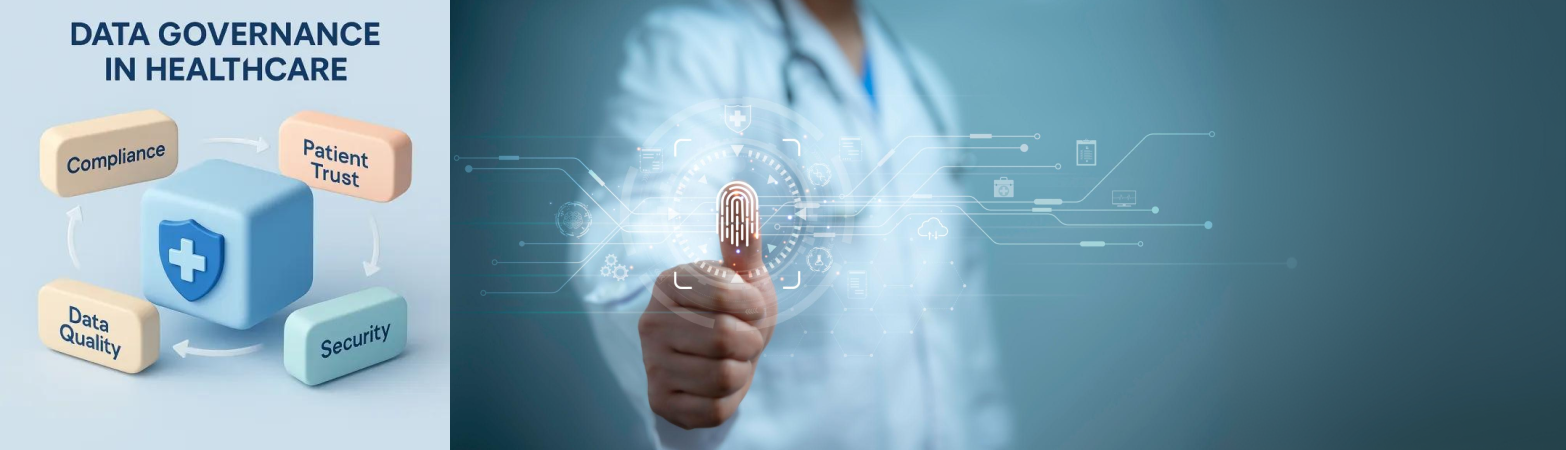
Strong authentication methods such as multi-factor authentication, secure password policies, and biometric verification can improve security significantly. Access controls should also ensure that users can only view information that is relevant to their roles and permissions. These measures help reduce security risks while improving user confidence in the platform.
Ensuring Compliance with Healthcare and Data Privacy Regulations
Health insurance applications must comply with various healthcare and data privacy regulations depending on the regions they serve. Compliance helps protect customer rights and ensures that organisations follow established standards for handling sensitive information.
Developers should understand applicable regulations and incorporate compliance requirements throughout the development lifecycle. This includes maintaining secure data handling processes, obtaining proper user consent, and implementing security measures that support regulatory obligations. Compliance not only reduces legal risks but also strengthens customer trust.
Using Secure APIs for Safe Data Exchange and Integration
Health insurance applications often connect with hospitals, healthcare providers, payment gateways, and third-party services. These integrations rely on APIs to exchange information between systems.
Secure APIs are essential for protecting data during transmission. Developers should implement authentication protocols, access controls, and secure communication standards to prevent unauthorised access. Proper API security helps ensure that sensitive customer information is exchanged safely and efficiently across connected platforms.
The Importance of Data Encryption in Health Insurance Platforms
Data encryption is one of the most effective ways to protect sensitive information within a health insurance application. Since these platforms store personal, financial, and medical records, protecting data from unauthorised access is critical.
Encryption helps secure information both when it is stored and when it is transferred between systems. Even if data is intercepted, encryption makes it difficult for attackers to access or misuse the information. Strong encryption practices play a key role in maintaining customer trust and meeting security requirements.
Identifying and Preventing Common Cybersecurity Threats
Health insurance applications face a wide range of cybersecurity risks, including phishing attacks, ransomware, malware, and unauthorised account access. These threats can lead to data breaches, financial losses, and reputational damage.
Developers should regularly assess potential vulnerabilities and implement security measures to reduce risks. Security updates, intrusion detection systems, and threat monitoring tools can help identify suspicious activity before it becomes a major issue. Proactive security planning is essential for maintaining a secure application environment.
Testing and Monitoring Security Throughout the App Lifecycle
Security should not be treated as a one-time task during development. Instead, it should be an ongoing process that continues throughout the application’s lifecycle.
Regular security testing helps identify weaknesses before they can be exploited. Penetration testing, vulnerability assessments, and code reviews can improve the overall security posture of the platform. Continuous monitoring also allows organisations to detect and respond to threats quickly, helping minimise potential damage.
Future Security Trends in Health Insurance Application Development
As digital healthcare continues to evolve, security requirements will become even more advanced. Emerging technologies such as artificial intelligence, machine learning, biometric authentication, and zero-trust security frameworks are expected to play larger roles in protecting health insurance platforms.
Future applications will likely incorporate more intelligent security systems capable of detecting threats in real time and responding automatically. Staying informed about evolving security trends will help organisations build stronger and more resilient applications that can adapt to changing cybersecurity challenges.
Conclusion
Building a secure health insurance application requires more than simply creating useful features. Security, privacy, and compliance must be integrated into every stage of development to protect sensitive customer information and support reliable digital services.
By focusing on strong authentication, secure data management, regulatory compliance, and user protection, organisations can create health insurance applications that deliver both convenience and security. To learn more about healthcare software development and digital transformation solutions, visit smartData Inc.
Share on: