Posted On February 12, 2026
Benefits of Custom Healthcare Software for Hospitals and Clinics
What Custom Healthcare Software Means for Modern Care
Custom healthcare software is designed specifically to address the unique needs of hospitals and clinics. Unlike generic systems, tailored solutions align with existing workflows and clinical practices. This means staff spend less time adapting to software and more time focusing on patient care.
By building technology around real operational needs rather than forcing processes to fit a standard template, healthcare providers can support smoother daily functions and better outcomes for patients.
Improving Patient Record Accuracy and Accessibility
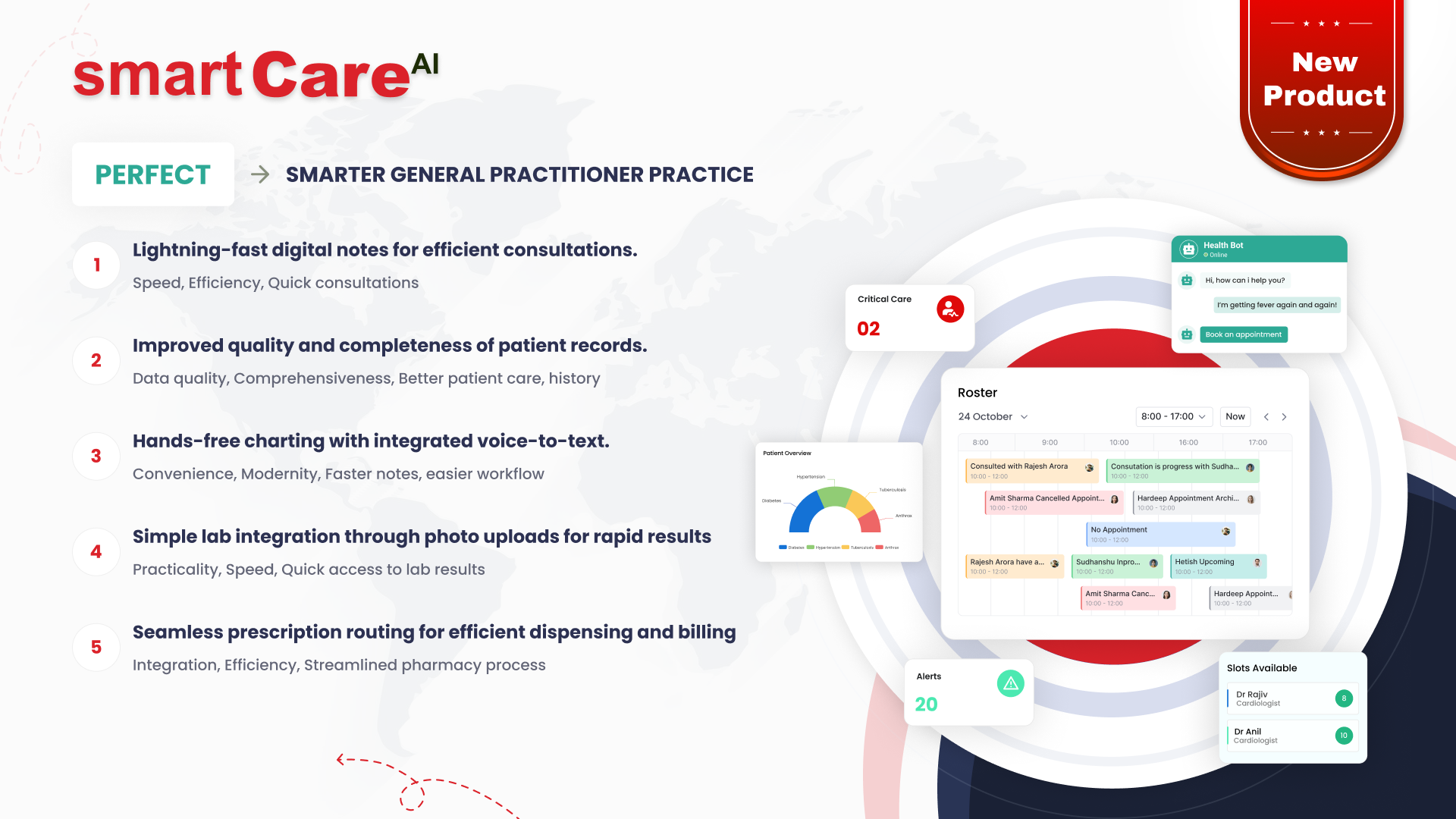
Accurate and accessible patient records are essential for quality care. Custom software centralises information such as medical histories, medications, test results, and treatment plans in one secure location.
This reduces the risk of errors from missing or outdated records and ensures that clinicians have the information they need when making care decisions. Easy access to complete records can also improve continuity of care between departments and during follow-up visits.
Streamlining Administrative Tasks with Tailored Solutions
Routine administrative tasks like billing, insurance claims, and form processing can be time-consuming and prone to errors. Custom software automates many of these functions, reducing manual work and the likelihood of mistakes.
This automation not only speeds up administrative processes but also frees up staff to focus on more important duties. For hospitals and clinics striving to balance efficiency with patient-centred care, this streamlined approach can be a significant advantage.
Enhancing Communication Within Care Teams
Effective communication among doctors, nurses, specialists, and administrative staff is vital in healthcare. Custom healthcare software can include features such as secure messaging, alerts, and shared dashboards that keep teams connected.
By reducing fragmentation in communication, care teams can coordinate more effectively, avoid misunderstandings, and respond quickly to patient needs. This leads to improved collaboration and more consistent patient experiences.
Supporting Better Patient Scheduling and Appointments
Managing appointments efficiently is a common operational challenge. Custom healthcare software can offer intelligent scheduling tools that consider clinician availability, patient preferences, and resource requirements.
This reduces double bookings and long waiting times while improving the overall flow of patients through the facility. Patients benefit from a smoother experience, and staff can manage their time more effectively, contributing to higher satisfaction rates on both sides.
Boosting Operational Efficiency Across Departments
Custom healthcare software can streamline the workflows used across departments, reducing delays and unnecessary steps. Unlike generic systems, tailored solutions are built to match the specific processes of a hospital or clinic.
This means that administrative tasks like patient admissions, diagnostics scheduling, and billing can be coordinated more smoothly. As operations become more efficient, staff spend less time managing paperwork and more time focusing on quality care. This also helps reduce backlogs and improve overall performance.
Custom Reporting to Support Strategic Decisions
Healthcare organisations rely on accurate and relevant data to make informed decisions. Custom software can generate reports tailored to specific needs, such as patient wait times, treatment outcomes, or resource usage trends.
These reports offer insights that standard systems might overlook, allowing leaders to track performance and plan improvements based on real evidence. With reliable data at hand, clinics and hospitals can make strategic choices that support long-term goals.
Safeguarding Patient Data with Built-In Security Features
Protecting patient information is a fundamental requirement for any healthcare provider. Custom software can include advanced security measures designed specifically for the types of data and workflows in use.
This includes strong access controls, secure data storage, and compliance with regulations such as HIPAA. When security is built into the system from the start, organisations can reduce the risk of breaches and maintain the trust of patients and staff.
Adapting Software to Unique Hospital and Clinic Needs
No two healthcare organisations operate in exactly the same way. Custom healthcare software recognises these differences by adapting to local protocols, care standards, and reporting requirements.
This flexibility ensures that the software enhances existing workflows rather than forcing teams to change how they work to fit a generic solution. By aligning technology with organisational needs, hospitals and clinics can achieve better coordination and support for their specific challenges.
Long-Term Cost Savings and Better Resource Use
Although the initial investment in custom software can be higher than off-the-shelf alternatives, the long-term benefits often outweigh the cost. Tailored systems reduce the need for costly workarounds, frequent updates, or add-on tools that generic products may require.
Furthermore, by automating repetitive tasks and eliminating inefficiencies, custom solutions help save time and reduce operational expenses. Over time, these efficiencies translate into better use of resources, lower labour costs, and a stronger bottom line.
Conclusion
Custom healthcare software offers meaningful benefits for hospitals and clinics by improving patient record accuracy, streamlining administrative work, enhancing communication, and supporting better scheduling. By aligning technology with specific organisational needs, healthcare providers can create more efficient and responsive environments that support high-quality care.
As healthcare systems continue to evolve, investing in tailored software solutions can help institutions meet both operational and clinical goals. To explore how custom healthcare software can support your organisation’s needs, visit https://smartdatainc.com/.
Share on: