Posted On February 13, 2026
How Healthcare Automation Reduces Operational Costs
Understanding Healthcare Automation and Its Benefits
Healthcare automation refers to the use of software and intelligent systems to perform routine tasks that were once done manually. These can include administrative duties, appointment scheduling, billing, and even parts of clinical documentation. By reducing the need for repetitive manual work, automation helps healthcare providers focus more on patient care and less on time-consuming processes.
At its core, automation brings consistency and accuracy to operations. This not only improves efficiency but also plays a significant role in reducing the costs associated with inefficiencies and human error.
Reducing Administrative Work Through Automated Systems
Administrative tasks in healthcare take up a considerable amount of time and resources. From managing patient records to processing paperwork, these activities often involve repetitive steps that can lead to delays and inaccuracies. Automation systems can handle many of these tasks without manual intervention.
For example, automated systems can update patient information, send reminders for appointments, and manage billing records automatically. This reduces the workload on administrative staff and allows them to focus on higher-value tasks, ultimately lowering labour costs and improving overall productivity.
Streamlining Patient Scheduling and Registration Processes
Patient scheduling and registration are essential yet resource-heavy parts of healthcare operations. Traditional systems often require staff to juggle phone calls, manual forms, and follow-ups. This process can be slow and prone to mistakes, leading to double bookings or missed appointments.
Automated scheduling tools eliminate many of these issues by allowing patients to book and confirm appointments online. These systems can also send reminders and update records in real time. The result is fewer no-shows, reduced manual workload, and a smoother experience for patients and staff alike—all contributing to lower operational costs.
Improving Accuracy in Billing and Claims Management
Billing errors are a common challenge in healthcare settings and can lead to costly delays or disputes with insurers. Manual entry of billing codes and claim forms increases the chance of incorrect submissions, resulting in claim rejections and additional administrative effort to resolve issues.
Automation improves the accuracy of billing and claims management by using standardised processes and real-time validation of data. This reduces the likelihood of errors and speeds up payment cycles. Faster and more accurate billing means fewer administrative corrections, lower overhead, and improved financial performance.
Automating Inventory and Supply Chain Tasks
Managing inventory and medical supplies is another area where healthcare automation delivers strong cost benefits. Manual inventory tracking can lead to overstocking, stockouts, and waste—especially with items that have expiry dates.
Automated inventory systems track usage patterns and alert staff when supplies run low. These systems can even predict future needs based on historical data. By improving inventory visibility and planning, healthcare facilities reduce unnecessary spending on excess supplies and avoid costly emergency purchases.
Enhancing Clinical Documentation with Smart Tools
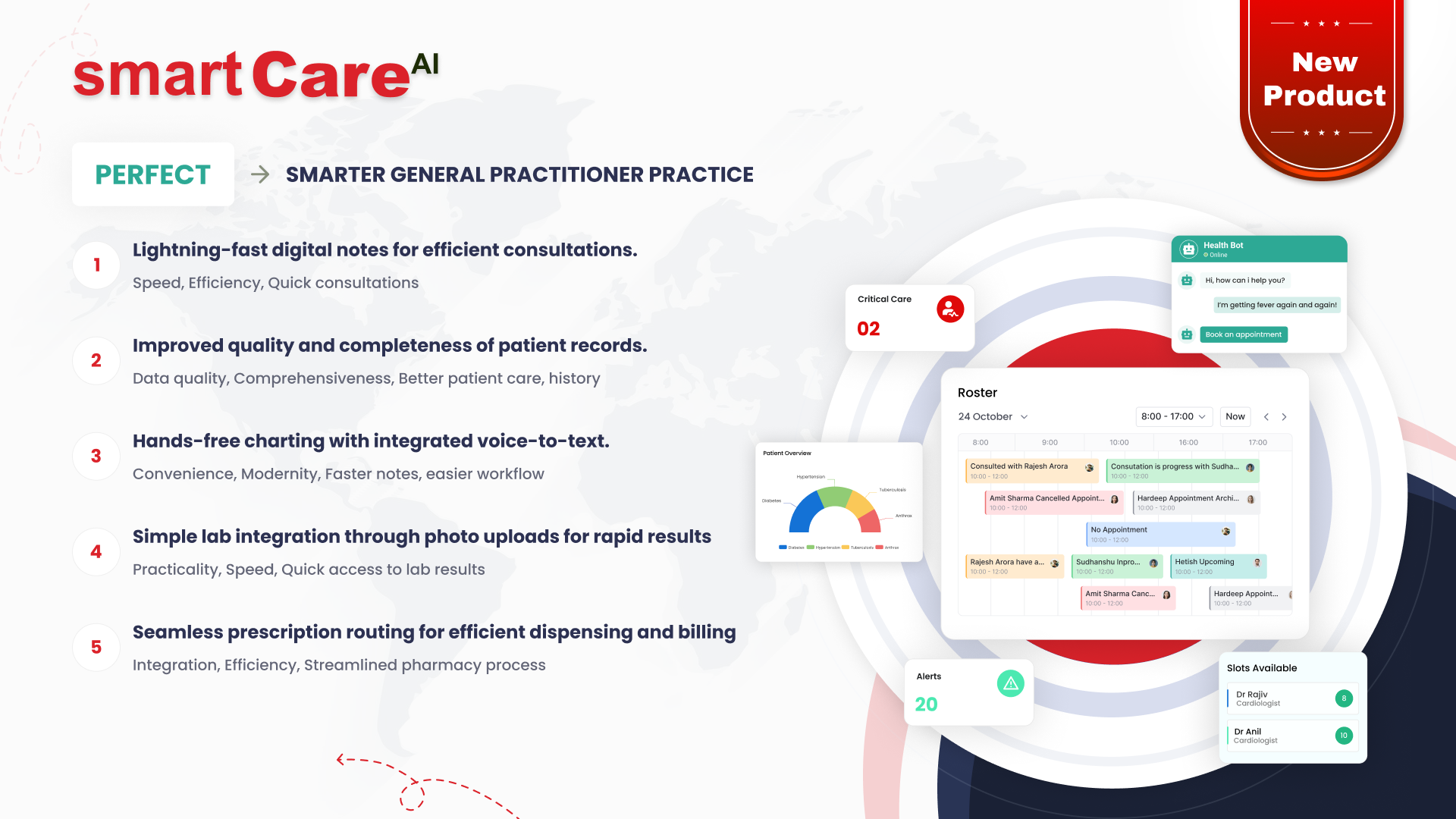
Accurate clinical documentation is essential for effective patient care and regulatory compliance, but it can be time-consuming when done manually. Automated documentation tools help clinicians record patient interactions, diagnoses, and treatment plans quickly and accurately.
By using speech-to-text technology and structured templates, healthcare systems can reduce the time clinicians spend on paperwork. This not only improves the quality of records but also allows healthcare professionals to focus more on patient care, contributing to better outcomes and lower operational costs.
Reducing Errors and Rework Through Intelligent Workflows
Manual processes are more prone to mistakes, which can lead to costly rework and administrative delays. Automation introduces standardised workflows that reduce human error by guiding tasks through logical steps with built-in checks.
For example, automated scheduling systems ensure appointments are accurately recorded, and electronic prescribing systems flag potential drug interactions before finalising orders. These safeguards help prevent costly mistakes and unnecessary follow-ups, reducing waste and improving operational efficiency.
Saving Time with Automated Reporting and Data Analysis
Generating reports and analysing healthcare data traditionally takes significant staff time. Automated systems can produce real-time reports on key performance indicators, patient outcomes, and resource use with minimal manual input.
This capability helps administrators and clinicians track trends quickly and make informed decisions. By reducing the time spent on data compilation and interpretation, healthcare organisations can lower labour costs and redirect staff efforts toward initiatives that improve patient care.
Supporting Staff Productivity with Task Automation
Healthcare professionals often juggle multiple tasks daily, from patient interactions to administrative duties. Task automation tools can manage routine functions such as appointment reminders, follow-up notifications, and form processing.
By automating these repetitive tasks, staff can devote more attention to clinical work and patient engagement. This boosts productivity while reducing the need for additional administrative personnel, which in turn lowers operational expenses.
Measuring Cost Savings and Operational Improvements
To understand the full impact of healthcare automation, organisations must measure both cost savings and operational enhancements. Automated systems often include analytics tools that provide insights into time saved, error reduction, and financial performance.
By reviewing these metrics regularly, leaders can identify areas where automation delivers the greatest value and make data-driven decisions about future investments. This continuous evaluation supports sustainable cost management and long-term operational improvements.
Conclusion
Healthcare automation is changing the way organisations manage operational tasks and control costs. From reducing administrative workloads and streamlining patient scheduling to improving billing accuracy and optimising inventory, automation delivers measurable benefits. By reducing manual effort and increasing consistency, healthcare providers can focus on delivering quality care while keeping operational costs under control.
To explore how automation solutions can support your healthcare organisation’s efficiency and cost goals, visit https://smartdatainc.com/.
Share on: