Posted On February 15, 2026
How Industry-Specific Software Solves Complex Business Problems
What Industry-Specific Software Really Means
Industry-specific software refers to custom-designed applications developed to meet the unique requirements of a particular sector. Unlike generic solutions that aim to serve a broad range of organisations, this type of software addresses the specific challenges, workflows, and compliance needs of an industry.
For example, software built for manufacturing will focus on production scheduling and inventory control, while systems for healthcare concentrate on patient records and regulatory reporting. By understanding the nuances of a given field, this specialised approach helps businesses operate more smoothly and effectively.
Addressing Unique Workflows with Tailored Solutions
Every industry has its own way of operating, shaped by specific tasks, standards, and expectations. Off-the-shelf software often misses the mark when it comes to supporting these unique workflows. Industry-specific software, on the other hand, is tailored to fit established processes rather than forcing teams to adapt to a generic tool.
When software aligns with real-world workflows, employees spend less time adjusting their methods and more time focusing on productive work. Tailored systems also reduce confusion and errors, as features and interfaces are designed with the end user’s role in mind.
Reducing Manual Errors in Critical Processes
Manual data entry, repetitive tasks, and unstructured information flow are common sources of error in business operations. These mistakes can be costly, especially in sectors where precision is critical, such as finance, logistics, or healthcare.
Industry-specific software automates many repetitive tasks and enforces standardised procedures, reducing the risk of human error. By automating calculations, validations, and routine transactions, businesses can improve accuracy and free staff from time-consuming, error-prone work.
Improving Compliance with Sector Regulations
Many industries are governed by strict rules and compliance requirements. Staying up to date with changing standards — whether for safety, privacy, or reporting — can be challenging without the right tools in place.
Software designed for a particular sector often includes compliance-related features that help organisations meet regulatory expectations without adding unnecessary administrative work. These may include audit trails, automated reporting, and built-in checks for data accuracy. By embedding compliance into daily operations, companies reduce risk and maintain trust with regulators and customers alike.
Enhancing Collaboration Across Teams and Departments
Complex business problems often involve multiple departments working together, from sales and operations to finance and customer support. If teams use different systems or tools that do not communicate well, information can become siloed, leading to delays, miscommunication, and inefficiency.
Industry-specific software helps bridge these gaps by providing a unified platform where relevant data is shared and accessible to authorised users. Improved visibility across teams leads to better coordination, faster problem-solving, and a more cohesive approach to delivering services or products.
Speeding Up Decision-Making with Relevant Data
One of the major advantages of industry-specific software is its ability to deliver data that matters most to a particular sector. Generic systems may collect broad information, but tailored solutions highlight the metrics and trends that directly affect operations and outcomes.
For example, a logistics company can access real-time shipment data to optimise delivery routes, while a manufacturing firm can monitor production efficiency by analysing machine performance. By presenting relevant data clearly and promptly, industry-specific software helps leaders make better decisions faster.
Supporting Operational Scale and Growth
As businesses grow, their processes often become more complex and harder to manage with standard tools. Industry-specific software is designed to scale with an organisation, supporting increased workload, users, and data volume without compromising performance.
This scalability ensures that businesses can expand operations, enter new markets, or increase service offerings without constantly replacing or overhauling their systems. With the right software in place, companies can support growth confidently and sustainably.
Real Examples of Industry Software in Action
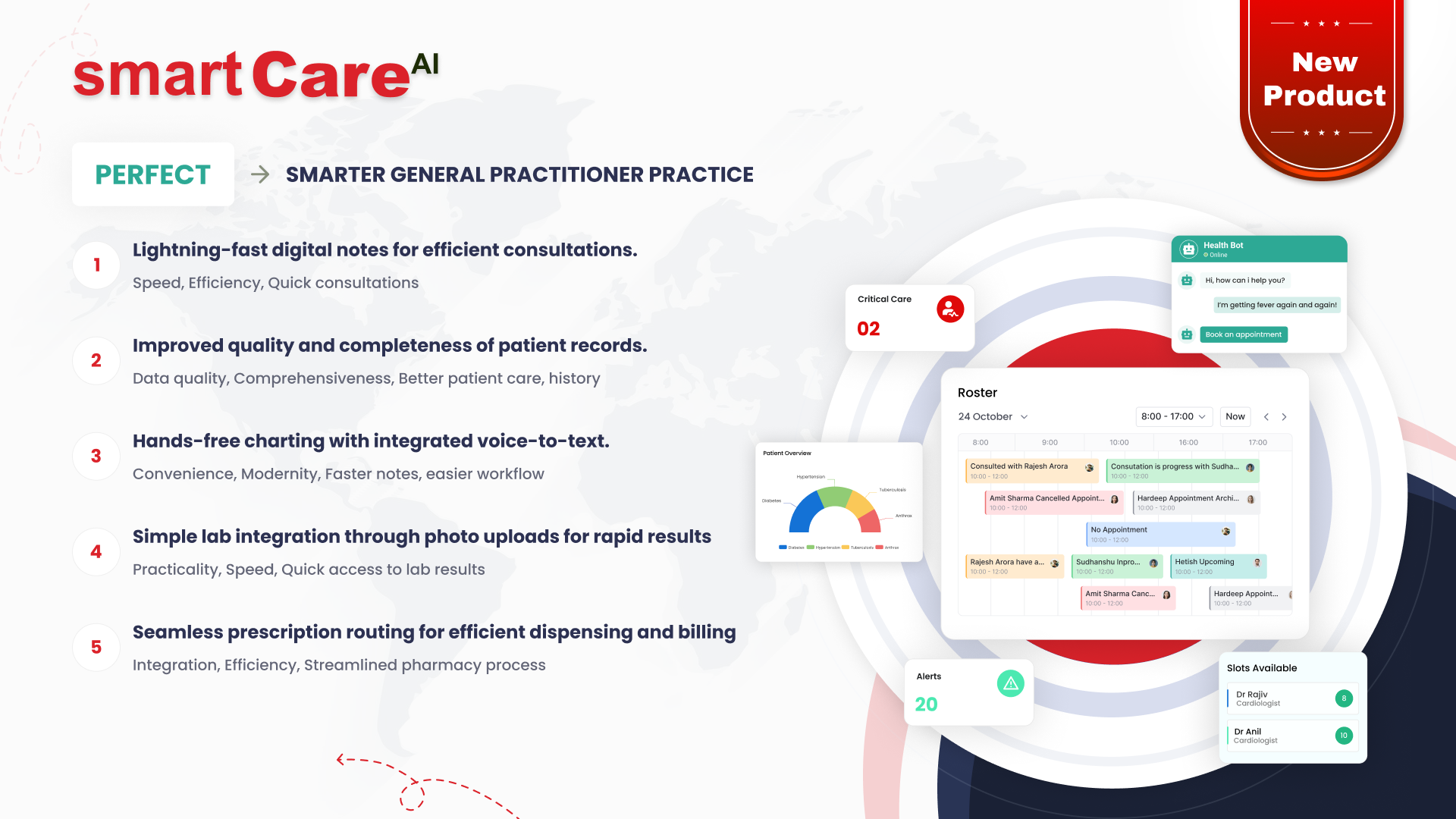
Across sectors, businesses are already benefiting from industry-specific solutions. In healthcare, tailored software helps manage patient records, appointments, and compliance with regulatory standards. In retail, specialised systems support inventory tracking, customer behaviour analysis, and seasonal demand planning.
These real-world examples show how sector-focused software not only addresses unique challenges but also improves everyday operations. By aligning with industry processes, businesses can solve problems that generic tools would struggle to handle effectively.
Overcoming Implementation Challenges Effectively
Adopting industry-specific software can come with challenges, such as integrating with existing systems, training staff, or adjusting workflows. However, many of these hurdles are manageable with the right approach.
Successful implementation begins with clear planning, defining objectives, and involving key users early in the process. Providing comprehensive training and ongoing support also helps ensure that teams are comfortable with new tools. By addressing potential challenges thoughtfully, organisations can unlock the full value of specialised software.
Choosing the Right Solution for Your Business Needs
Selecting the most suitable industry-specific software requires understanding both current challenges and future goals. Organisations should assess features that align with key workflows, data requirements, and compliance needs.
It is also important to consider scalability, vendor support, and ease of integration with other systems. Engaging stakeholders and gathering feedback from end users can help ensure that the chosen solution enhances productivity rather than creating new constraints. Thoughtful selection leads to better long-term outcomes.
Conclusion
Industry-specific software plays a key role in solving complex business problems by aligning with unique workflows, reducing errors, improving compliance, and enhancing team collaboration. These tailored solutions support not just daily operations but also long-term strategic performance.
By choosing software designed for the specific needs of your sector, organisations can operate more efficiently, respond quicker to challenges, and maintain a competitive edge. To explore how industry-specific software can address your business challenges effectively, visit https://smartdatainc.com/.
Share on: