Posted On March 8, 2026
How IoT Improves Supply Chain Visibility
Modern supply chains are complex networks involving manufacturers, suppliers, warehouses, logistics providers, and retailers. Managing these operations efficiently requires accurate and timely information. However, traditional supply chain systems often struggle with limited visibility, delayed updates, and manual tracking processes.
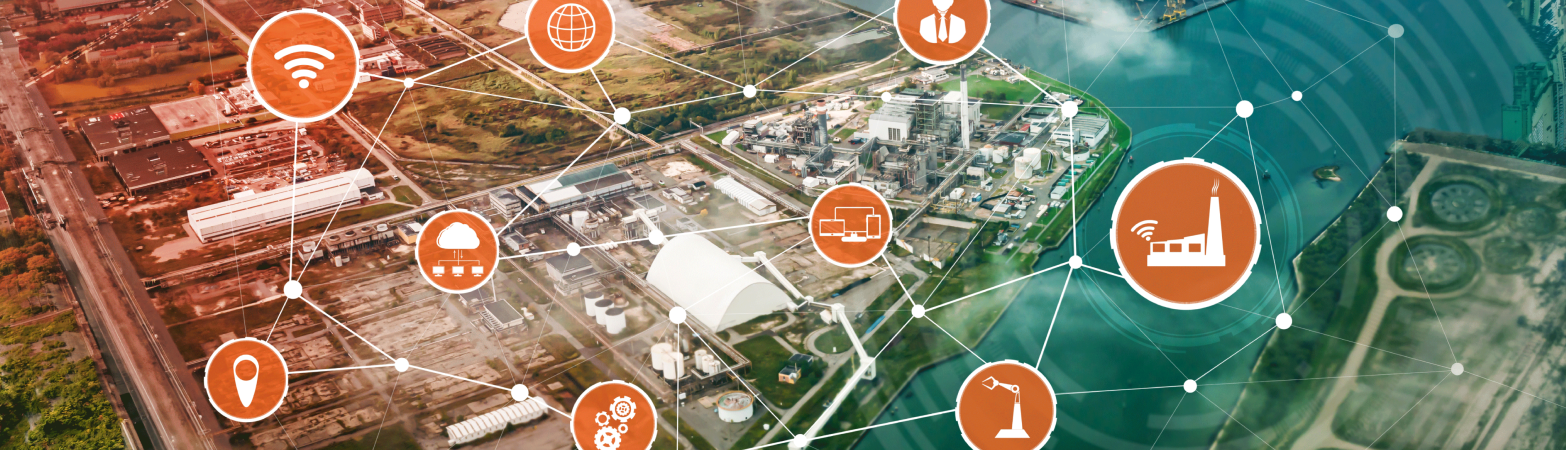
The Internet of Things (IoT) is transforming supply chain management by connecting devices, sensors, and systems that continuously collect and share operational data. Through IoT technology, businesses can monitor shipments, inventory, and transportation conditions in real time. This improved visibility helps organisations make better decisions, reduce risks, and ensure smoother supply chain operations.
Understanding the Role of IoT in Modern Supply Chains
IoT refers to a network of connected devices that collect and transmit data through the internet. In supply chain environments, these devices include sensors, RFID tags, GPS trackers, and smart monitoring systems attached to goods, vehicles, and equipment.
These technologies allow businesses to gather real-time information about the location, condition, and status of products throughout the supply chain. Instead of relying on manual updates or delayed reports, organisations receive continuous data that improves transparency and operational awareness.
IoT creates a connected ecosystem where supply chain partners can access shared data and coordinate activities more efficiently. This connectivity helps organisations respond quickly to disruptions and maintain smooth operations across the supply chain.
Real-Time Tracking of Shipments and Assets
One of the most significant advantages of IoT in supply chain management is real-time tracking. Devices such as GPS trackers and wireless sensors allow businesses to monitor the location and movement of shipments throughout the transportation process.
These tracking systems provide detailed information about delivery routes, estimated arrival times, and shipment progress. If a shipment deviates from its expected route or experiences delays, the system can immediately alert logistics teams so they can take corrective action.
Real-time tracking not only improves operational control but also helps reduce losses caused by theft, misplacement, or delivery errors. Continuous visibility ensures that businesses know exactly where their goods are at any moment during the supply chain journey.
Improving Inventory Visibility with Smart Sensors
Managing inventory efficiently is a major challenge for many businesses. Without accurate data, organisations may face problems such as overstocking, stock shortages, or delayed restocking.
IoT sensors and RFID technology help solve this problem by automatically monitoring inventory levels in warehouses and distribution centres. These systems track product movement, stock levels, and storage conditions in real time.
With accurate inventory data, businesses can ensure that the right products are available when needed. Automated monitoring also reduces the need for manual stock checks, saving time and minimising errors. This improved visibility helps organisations maintain balanced inventory levels and optimise supply chain efficiency.
Monitoring Product Conditions During Transportation
In many industries, products must be transported under specific environmental conditions. For example, food, pharmaceuticals, and medical supplies require controlled temperature and humidity during transportation.
IoT sensors allow companies to monitor these conditions throughout the shipping process. Sensors can track temperature, humidity, and other environmental factors and send alerts if conditions fall outside safe limits.
This monitoring helps businesses protect product quality and prevent damage or spoilage. It also ensures compliance with industry regulations and quality standards. By maintaining proper conditions during transportation, organisations can reduce losses and maintain customer trust.
Enhancing Warehouse Operations with IoT Data
IoT technology also improves visibility within warehouse operations. Smart sensors and connected devices can monitor equipment performance, track product movement, and analyse workflow efficiency.
Warehouse managers can use this data to optimise storage layouts, improve picking processes, and reduce operational delays. Automated systems can also monitor equipment health and schedule maintenance before breakdowns occur.
With improved operational visibility, warehouses can process orders more efficiently and ensure that goods move smoothly through the supply chain. This contributes to faster deliveries and better overall logistics performance.
Reducing Supply Chain Delays Through Live Monitoring
Supply chain disruptions can occur due to transportation delays, equipment failures, or unexpected demand changes. IoT monitoring systems help businesses detect these issues quickly.
Continuous data from sensors and tracking devices provides early warnings when shipments are delayed or processes are disrupted. Managers can then take corrective actions such as adjusting delivery routes or reallocating resources.
This proactive approach helps minimise disruptions and maintain smoother operations. Real-time monitoring also improves coordination between suppliers, logistics providers, and distributors.
Strengthening Communication Between Supply Chain Partners
Supply chains involve multiple stakeholders including suppliers, manufacturers, logistics companies, and retailers. Effective communication between these partners is essential for maintaining operational efficiency.
IoT systems enable data sharing across the entire supply chain network. Partners can access real-time information about shipments, inventory levels, and delivery schedules.
Improved data sharing strengthens collaboration and helps organisations coordinate activities more effectively. This transparency also builds stronger relationships between supply chain partners and improves overall operational reliability.
Improving Delivery Accuracy and Customer Transparency
Customer expectations have changed significantly in recent years. Many customers now expect to track their orders and receive accurate delivery updates.
IoT technology supports this demand by providing real-time shipment tracking and status updates. Businesses can share this information with customers, allowing them to monitor their orders from dispatch to delivery.
Greater transparency improves customer trust and satisfaction. It also reduces customer service inquiries because customers can easily access shipment information themselves.
Using Predictive Insights to Prevent Supply Chain Disruptions
Beyond real-time monitoring, IoT data can also be used for predictive analysis. By analysing historical and real-time data, businesses can identify patterns that signal potential disruptions.
For example, predictive systems can forecast demand changes, detect equipment issues, or identify supply shortages. This allows organisations to take preventive action before problems escalate.
Predictive insights improve supply chain resilience and help businesses respond more effectively to unexpected events.
Conclusion
IoT technology is significantly improving supply chain visibility by enabling real-time tracking, automated monitoring, and continuous data collection. Businesses can monitor shipments, manage inventory more effectively, and ensure products remain in the right conditions throughout transportation.
These capabilities help organisations reduce operational risks, improve efficiency, and respond quickly to disruptions in the supply chain. As global supply chains become more complex, IoT solutions will continue to play a vital role in enhancing transparency and coordination across logistics networks.
To learn more about technology solutions that support digital transformation and intelligent supply chain operations, visit https://smartdatainc.com/.
Share on: