Posted On January 12, 2026
How Wearables & IoT Are Powering Preventive Healthcare
Preventive healthcare is shifting from occasional doctor visits to continuous health monitoring. Wearable devices and Internet of Things (IoT) technologies are playing a key role in this change. By collecting real-time health data and turning it into useful insights, these technologies help individuals and healthcare providers identify potential issues early and take action before problems become serious.
What Wearables and IoT Mean for Modern Healthcare
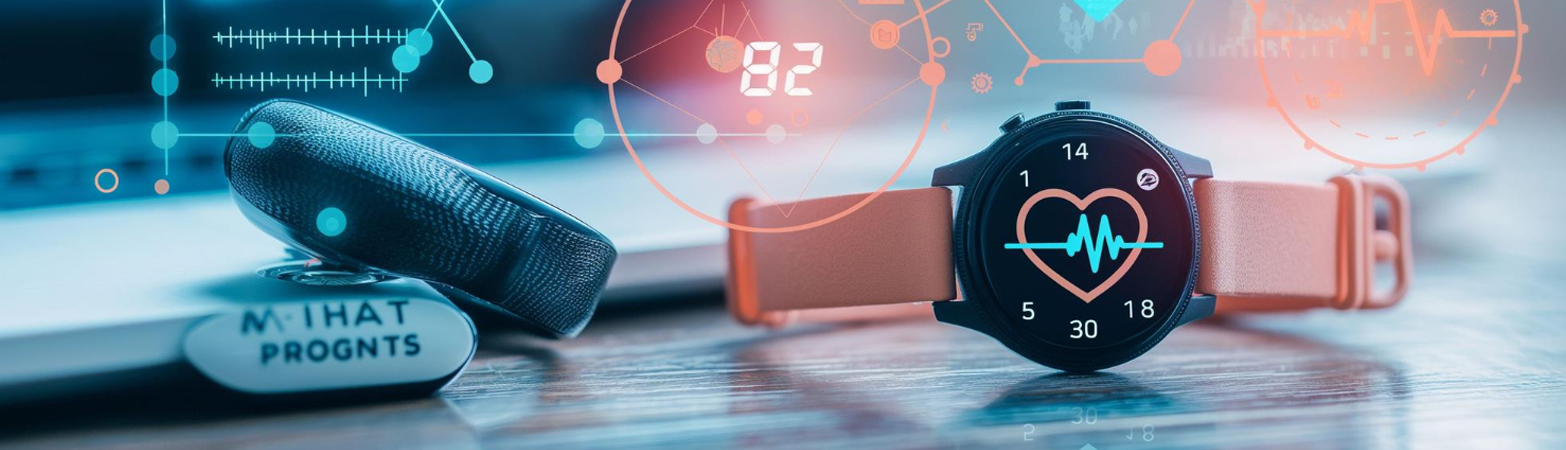
Wearables include devices such as smartwatches, fitness bands, and health monitors that track body metrics throughout the day. IoT refers to connected devices that share data securely over the internet. Together, they create a connected healthcare environment where patient data is continuously collected, analysed, and shared with healthcare systems when needed. This approach supports a shift from reactive care to proactive health management.
Tracking Vital Signs Continuously With Wearable Devices
One of the biggest advantages of wearables is their ability to monitor vital signs continuously. Devices can track heart rate, physical activity, sleep patterns, blood oxygen levels, and more. Unlike traditional check-ups that provide limited snapshots, continuous monitoring offers a clearer picture of a person’s overall health. This data helps both individuals and clinicians understand trends and detect unusual changes early.
Early Detection of Health Issues Through Real-Time Monitoring
Real-time monitoring allows healthcare providers to identify potential health risks before symptoms become severe. For example, irregular heart rhythms, changes in sleep quality, or abnormal activity levels can signal early signs of chronic conditions. Early detection makes it possible to intervene sooner, reduce complications, and improve long-term health outcomes.
Encouraging Healthy Habits With Instant Feedback
Wearables do more than collect data; they actively encourage healthier lifestyles. Instant feedback on steps taken, calories burned, or sleep quality helps users stay aware of their daily habits. Notifications and reminders can motivate people to move more, rest better, and follow recommended health routines. This ongoing engagement supports long-term behaviour change, which is essential for preventive care.
Reducing Hospital Admissions With Preventive Alerts
IoT-enabled health systems can send alerts when data indicates a potential health risk. These alerts allow patients or healthcare providers to respond quickly, often preventing conditions from worsening. By addressing issues early, healthcare systems can reduce unnecessary hospital visits and admissions, easing pressure on medical facilities while improving patient care.
Integrating IoT Data With Electronic Health Records
One of the biggest advantages of wearables and IoT devices is their ability to generate continuous health data. When this data is integrated with Electronic Health Records (EHRs), healthcare professionals gain a more complete and up-to-date view of a patient’s health.
Instead of relying only on occasional clinic visits, doctors can review long-term trends in heart rate, activity levels, sleep patterns, or glucose levels. This supports earlier diagnosis, more accurate assessments, and better-informed treatment decisions.
Improving Chronic Disease Management Through Continuous Data
For patients with chronic conditions such as diabetes, hypertension, or heart disease, continuous monitoring is crucial. Wearables and IoT-enabled devices help track key health indicators throughout the day without disrupting daily life.
This steady flow of data allows healthcare teams to spot warning signs early, adjust treatment plans quickly, and reduce the risk of complications. Patients also benefit by gaining clearer insights into how lifestyle choices affect their condition.
Supporting Personalised Health Plans Using Wearable Insights
Every patient responds differently to treatments and lifestyle changes. Wearable data makes it easier to create personalised health plans based on real-world behaviour rather than assumptions.
By analysing activity levels, sleep quality, and vital signs, healthcare providers can recommend tailored exercise routines, diet changes, or medication schedules. This personalised approach improves patient engagement and increases the chances of long-term health improvements.
Addressing Privacy and Data Security in IoT Healthcare
While wearables and IoT bring clear benefits, they also raise important questions about data privacy and security. Health data is highly sensitive, and any connected system must be designed with strong security measures.
Healthcare organisations need to ensure data encryption, secure access controls, and compliance with healthcare regulations. Building trust through transparent data practices is essential for the long-term adoption of preventive healthcare technologies.
Preparing Healthcare Systems for a Connected Future
As wearables and IoT devices become more common, healthcare systems must adapt to handle larger volumes of real-time data. This includes investing in scalable infrastructure, data analytics capabilities, and interoperability between systems.
Preparing for a connected future also means training healthcare professionals to interpret wearable data effectively and use it to support preventive care strategies. The focus is no longer just on treating illness but on maintaining long-term wellness.
Conclusion
Wearables and IoT technologies are reshaping preventive healthcare by enabling continuous monitoring, early detection, and healthier daily habits. As these technologies continue to evolve, they will play an even greater role in helping healthcare providers deliver proactive and data-driven care. To learn more about how data-driven healthcare solutions can support modern preventive care, visit https://smartdatainc.com/.
Share on: