Posted On February 11, 2026
The Role of AI in Modern Healthcare Systems
Understanding How AI Fits into Healthcare Today
Artificial intelligence (AI) is increasingly becoming part of how healthcare systems operate. At its core, AI refers to computer systems that can perform tasks that usually require human intelligence. In healthcare, this includes analysing complex medical data, recognising patterns, and supporting decision-making.
By integrating AI into everyday clinical and operational processes, healthcare providers can improve efficiency, accuracy, and patient outcomes. The goal is not to replace healthcare professionals but to give them better tools to deliver care.
Improving Diagnosis with AI-Driven Tools
One of the most impactful applications of AI in healthcare is support for diagnosis. AI systems can examine medical images, such as X-rays or scans, and highlight areas of concern with precision. These systems are trained on large sets of medical data, which helps them recognise subtle patterns that may be missed by the human eye.
This does not mean AI makes the final decision; rather, it aids clinicians by providing a second set of “trained eyes.” When used alongside professional judgement, AI-driven diagnostics can lead to earlier and more accurate detection of conditions, particularly in cases that rely on detailed image interpretation.
AI in Patient Monitoring and Early Warning Systems
Continuous monitoring of patient health is vital, especially for those in critical care or with chronic conditions. AI-powered systems can analyse vital signs, lab results, and other clinical data in real time. When there are signs of deterioration or risk, these systems can alert caregivers immediately.
This early warning capability helps care teams intervene sooner, reducing the risk of complications and improving patient safety. With AI handling the heavy lifting of data analysis, staff can focus on responding to patient needs.
Enhancing Treatment Planning with Intelligent Data
Treatment planning often involves reviewing multiple sources of information, such as medical history, test results, and research data. AI tools help by organising and analysing this information quickly, identifying patterns or options that may otherwise take hours to uncover.
This supports clinicians in making well-informed decisions about care options. Personalised treatment plans based on comprehensive data can lead to better patient outcomes, particularly in complex cases where multiple variables must be considered.
Reducing Administrative Work with Automated Processes
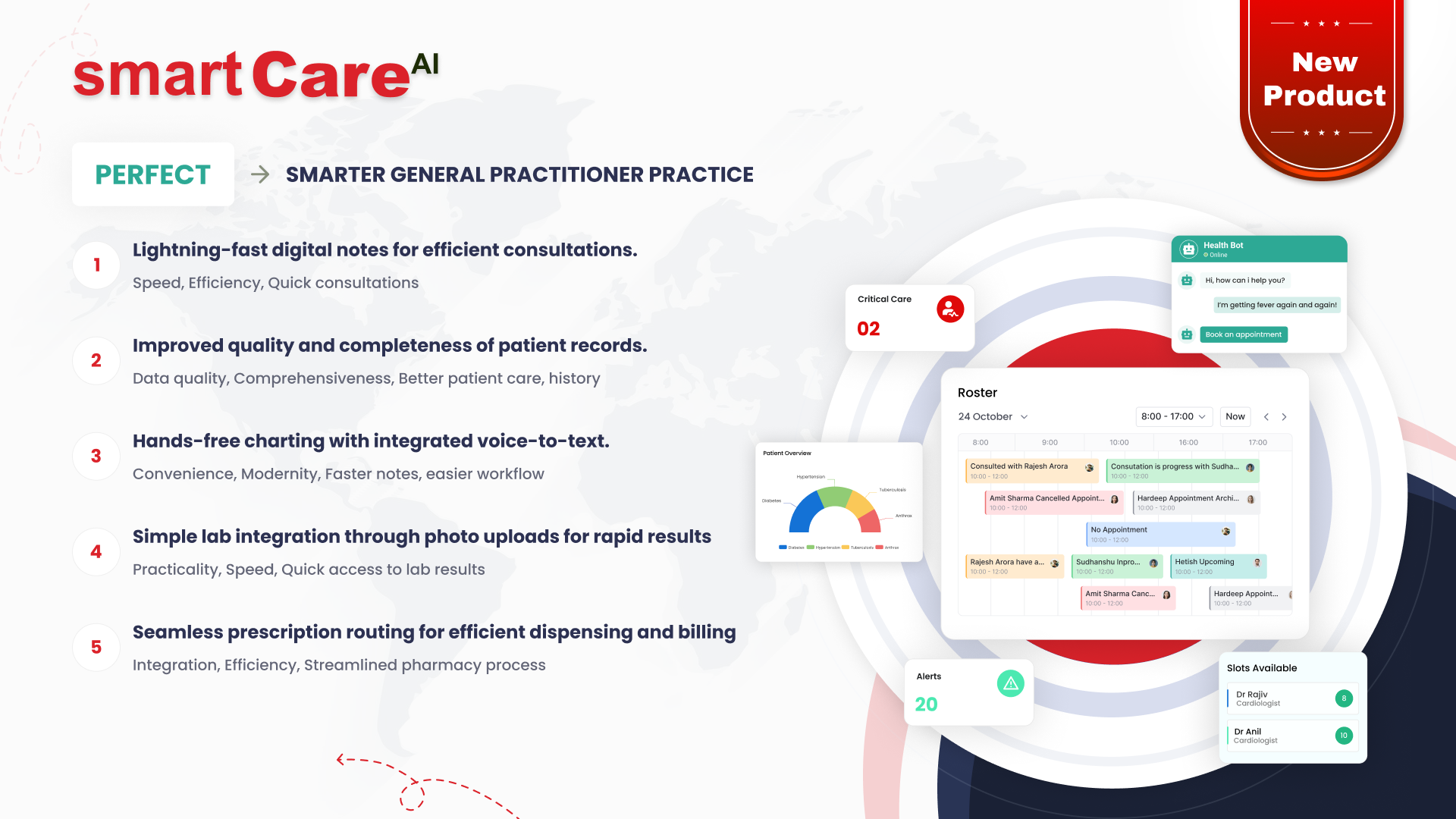
Administrative tasks, such as scheduling appointments, processing billing codes, and maintaining records, take up significant time for healthcare staff. AI-driven automation can handle many of these tasks more accurately and at greater speed than manual processes.
By reducing the administrative workload, staff can devote more time to direct patient care. Healthcare facilities that adopt automation also benefit from fewer errors and improved efficiency in day-to-day operations.
Supporting Telehealth and Remote Patient Care
AI is playing a vital role in the expansion of telehealth services, making it easier for patients to receive care regardless of location. Through smart algorithms, AI can assist virtual consultations by analysing symptoms, scheduling appointments, and even triaging cases before human review.
This support is especially useful in rural areas or during situations where in-person visits are limited. By helping clinicians assess and monitor patients remotely, AI increases access to care while maintaining quality and consistency.
AI’s Role in Medical Research and Drug Discovery
Developing new treatments and medicines is a complex, time-consuming process. AI helps research teams speed up this work by analysing large data sets, identifying patterns, and suggesting potential compounds for further investigation.
Machine learning models can also predict how drugs might behave in real-world scenarios, reducing the time and cost associated with traditional testing. By supporting research efforts, AI contributes to faster medical advancements that benefit patients and healthcare systems alike.
Protecting Patient Data and Privacy in AI Systems
As healthcare systems adopt AI, the protection of sensitive patient information becomes a priority. AI tools must be designed with strong data security and privacy controls to safeguard personal health records and comply with legal standards.
This involves secure data storage, strict access controls, and transparent policies about how information is used. When privacy measures are built into AI systems from the outset, patients and providers can trust that data is treated responsibly and securely.
Challenges and Ethical Considerations with AI in Healthcare
Despite its potential, AI integration in healthcare raises important challenges and ethical questions. These include ensuring fairness in algorithms, avoiding bias in decision-making, and maintaining human oversight where it matters most.
Healthcare organisations must address these concerns through careful planning, ongoing evaluation, and collaboration between clinicians, technologists, and ethicists. By approaching AI with a balanced perspective, systems can be designed to support better care without compromising values or safety.
Future Trends: What’s Next for AI in Healthcare
AI continues to evolve, offering new opportunities for healthcare systems. Future developments may include more advanced predictive analytics, real-time decision support tools, and personalised treatment recommendations based on genetic or lifestyle data.
As these technologies mature, they are likely to become more integrated into everyday clinical workflows, supporting professionals at every level. The key for healthcare organisations will be to adopt innovations responsibly and align them with the needs of patients and care teams.
Conclusion
AI is transforming modern healthcare systems by supporting diagnosis, improving patient monitoring, enhancing treatment planning, and reducing administrative burdens. These applications help clinicians provide more accurate, efficient, and personalised care.
As technology continues to advance, the thoughtful integration of AI will play an increasingly important role in supporting both clinical practice and operational effectiveness. To explore how AI solutions can enhance healthcare delivery and outcomes, visit https://smartdatainc.com/.
Share on: