Posted On August 25, 2025
What Features Should You Prioritize in a Healthcare App?
In today’s digital-first world, healthcare apps are playing an increasingly vital role in how patients access medical services and how providers deliver care. Whether you’re a healthcare provider, a software developer, or a business looking to build a healthcare solution, knowing which features to prioritise can make all the difference in user satisfaction, clinical outcomes, and long-term success.
Below, we explore five essential features every healthcare app should include.
Why User-Friendly Design Matters for Patients and Providers
A clean, intuitive design is not just a bonus—it’s a necessity. Healthcare apps often cater to users of all ages, backgrounds, and technical abilities. A user-friendly interface makes it easier for patients to navigate the app, find the information they need, and interact with healthcare professionals.
On the provider side, an efficient layout can reduce time spent on administrative tasks and help them focus more on patient care. Prioritising usability helps improve adoption rates and ensures that both patients and healthcare staff get the maximum value from the app.
The Importance of Real-Time Appointment Scheduling
Appointment booking is one of the most common reasons people use healthcare apps. Offering real-time scheduling not only empowers patients to manage their appointments conveniently but also reduces the workload on front-desk staff.
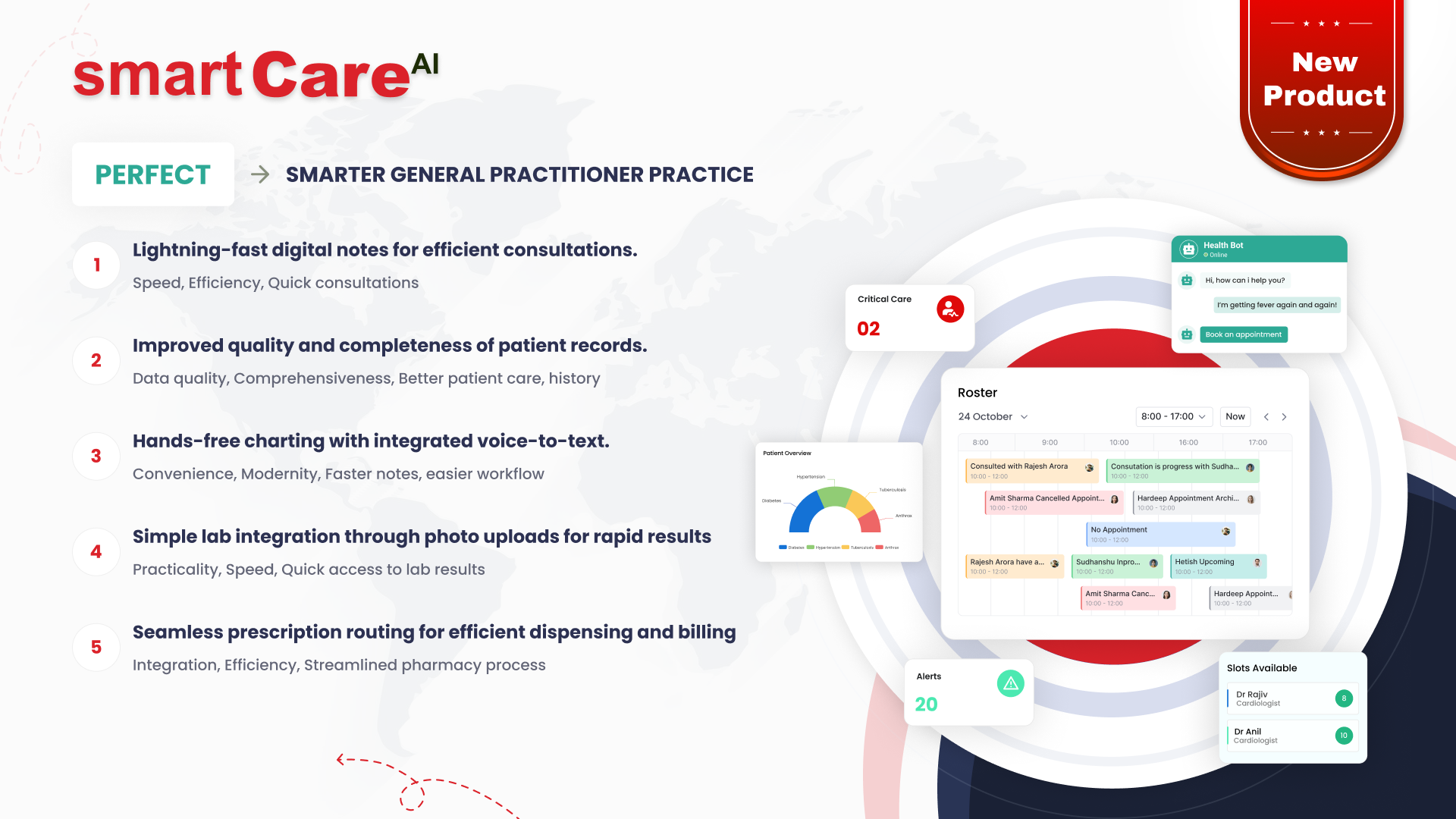
Smart scheduling systems can display available slots, send automatic confirmations, and even allow for rescheduling or cancellations—all without the need for a phone call. This leads to fewer no-shows, improved patient satisfaction, and more efficient operations.
Secure Login and Data Protection Features
Healthcare apps handle sensitive patient information, making security a top priority. Robust login features—such as multi-factor authentication, biometric access, and encrypted data storage—are crucial to safeguard against breaches.
Compliance with health regulations like HIPAA (USA), GDPR (EU), or other local data protection laws should be baked into the app’s foundation. By implementing strong security protocols, you not only protect patient data but also build trust with your users.
How In-App Communication Enhances Patient Engagement
Direct communication within the app—whether through secure messaging, video consultations, or chatbots—can greatly improve the patient experience. Patients can ask questions, receive follow-ups, or clarify instructions without having to visit the clinic.
For healthcare providers, this streamlined communication method supports better patient follow-up, reduces appointment load, and enhances continuity of care. Clear, timely communication helps build stronger relationships between patients and healthcare teams.
The Role of Remote Monitoring and Telehealth
Remote monitoring features, especially when paired with wearable devices or home health equipment, allow healthcare professionals to track patient vitals, symptoms, and treatment progress in real time. This is particularly useful for managing chronic conditions or post-operative care.
Telehealth functionality also ensures that patients in rural or underserved areas can receive consultations without needing to travel. These tools support early intervention, improve health outcomes, and cut down unnecessary in-person visits.
Why Integration with Wearables and EHRs Is a Must
Today’s patients are more connected than ever. Many already use fitness trackers, smartwatches, or other wearable devices to monitor their heart rate, sleep quality, and physical activity. Integrating this data into your healthcare app can provide real-time insights to both users and healthcare professionals.
Equally important is the integration with Electronic Health Records (EHRs). When your app seamlessly connects to existing EHR systems, it reduces duplication, streamlines clinical workflows, and ensures data accuracy. For developers, this means enabling secure APIs and ensuring interoperability across multiple systems.
Push Notifications for Better Care Reminders
Timely communication is crucial in healthcare. Push notifications can serve as gentle reminders for upcoming appointments, medication schedules, or follow-up tasks. This helps reduce missed appointments and improves medication adherence, which are two major challenges in patient care.
However, these notifications should be customisable and non-intrusive. Giving users control over the type and frequency of messages increases satisfaction while ensuring important updates are never missed.
Simplifying Payments and Billing Within the App
A smooth and transparent billing experience is another top priority. Including secure, in-app payment options allows patients to pay for services, review invoices, and manage insurance claims with ease.
Consider integrating digital wallets, credit card processing, and even instalment plans or subscription models. The simpler and more secure the payment process, the more likely patients are to continue using the app regularly.
Accessibility Features That Improve Inclusivity
Your app should be accessible to users of all abilities. This means supporting features such as voice commands, text-to-speech, scalable fonts, and high-contrast modes. For those with hearing or visual impairments, these small considerations can have a massive impact.
Inclusive design isn’t just about compliance — it’s about offering equal access to care and creating a more user-friendly experience for everyone, regardless of age or ability.
Tracking and Analytics to Monitor Health Trends
Both patients and providers benefit from data-driven insights. By offering personal health dashboards, symptom trackers, or progress reports, users can take a more active role in managing their wellbeing.
Meanwhile, healthcare providers can use aggregated analytics to monitor patient outcomes, detect early warning signs, and adjust treatment plans. These insights also help in assessing the app’s performance and guiding future updates.
Conclusion
A successful healthcare app should go beyond basic functionality and truly support the needs of both patients and providers. By prioritising features such as user-friendly design, real-time scheduling, secure login, in-app communication, and remote monitoring, you can develop a solution that promotes better health outcomes and operational efficiency.
At smartdatainc.com, we help healthcare organisations build secure, scalable, and user-focused digital solutions tailored to modern patient care. Let’s shape the future of healthcare—together.
Share on: