Posted On January 9, 2026
Why Clinics Are Moving to AI-Assisted EHR Workflows
Electronic Health Records (EHR) have transformed how clinics manage patient data, but traditional EHR workflows often involve time-consuming administrative tasks and manual data entry. AI-assisted EHR workflows are emerging as a solution to streamline processes, reduce errors, and improve patient care. By integrating artificial intelligence into healthcare operations, clinics are discovering new efficiencies and insights that were not possible with standard systems.
What AI-Assisted EHR Workflows Really Mean
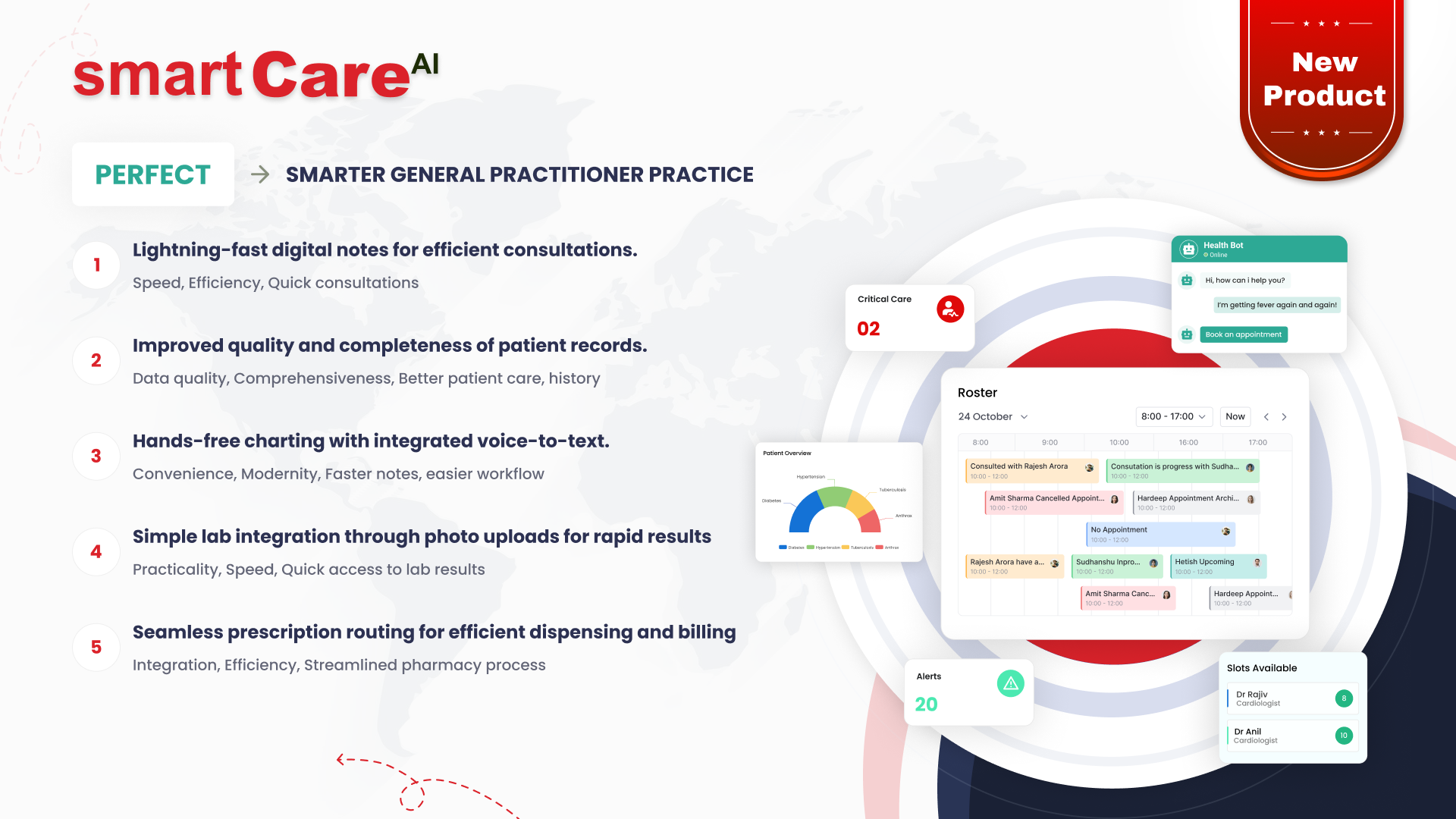
AI-assisted EHR workflows use artificial intelligence and machine learning to support routine tasks in electronic health record systems. This includes automated data entry, intelligent document processing, predictive analytics, and real-time clinical insights. Unlike traditional EHR systems, AI-assisted workflows reduce the need for repetitive manual tasks, allowing healthcare professionals to focus more on patient care rather than administrative duties.
Reducing Administrative Workload With Intelligent Automation
Clinics spend a significant portion of their time on administrative tasks such as scheduling, data entry, and patient follow-up. AI-assisted EHR workflows can automate these processes efficiently. For example, appointment scheduling can be handled by AI-driven systems that optimize time slots, and patient forms can be automatically processed. This not only saves time but also reduces the risk of human errors and ensures that staff can dedicate more attention to direct patient care.
Improving Accuracy in Patient Records
Maintaining accurate patient records is critical for safe and effective healthcare delivery. AI technologies can cross-check data, identify inconsistencies, and flag missing information in real-time. This helps prevent errors such as incorrect medications or duplicate entries, which can lead to serious clinical issues. By improving the reliability of patient data, AI-assisted workflows support better clinical decisions and overall patient safety.
Speeding Up Data Entry and Documentation Tasks
Data entry and documentation are often tedious and time-consuming for healthcare staff. AI-assisted EHR systems can automatically transcribe clinical notes, extract relevant information from medical documents, and input it into the EHR accurately. This significantly reduces the time required for administrative work and ensures that patient information is updated promptly, keeping healthcare providers informed with the most current data.
Enhancing Clinical Decision-Making With AI Insights
One of the most significant benefits of AI-assisted EHR workflows is their ability to generate actionable insights. AI can analyse patient histories, lab results, and other clinical data to provide predictive recommendations or alert healthcare providers to potential risks. This supports more informed decision-making, allowing clinicians to proactively manage patient health and improve outcomes.
Supporting Better Patient Communication and Follow-Up
AI-assisted EHR systems can automatically identify patients who require follow-up appointments, reminders, or additional care instructions. By integrating predictive algorithms, these systems ensure that no patient is overlooked, improving patient engagement and adherence to care plans. Clinics can now communicate relevant information quickly and efficiently, enhancing overall satisfaction and health outcomes.
Streamlining Billing and Coding Processes
Billing and coding are often time-consuming and prone to errors, which can affect revenue and compliance. AI can automatically suggest appropriate codes based on patient documentation, reducing manual effort and errors. This streamlining of billing processes ensures faster claims processing and fewer rejected claims, allowing clinics to focus more on patient care rather than administrative work.
Reducing Errors Through Predictive Alerts
AI-assisted EHRs can detect inconsistencies, missing information, or potential clinical errors in real-time. Predictive alerts help healthcare providers correct mistakes before they impact patient care. This proactive approach not only enhances patient safety but also reduces the risk of compliance issues, making healthcare operations more reliable and accurate.
Helping Clinics Make Data-Driven Operational Choices
AI tools within EHR systems can analyse large volumes of patient and operational data to provide actionable insights. Clinics can identify trends in patient visits, treatment outcomes, or resource utilisation. These insights support better decision-making, allowing administrators to optimise scheduling, staffing, and overall workflow efficiency.
Preparing Healthcare Staff for Smarter Digital Workflows
Introducing AI into EHR systems requires training staff to interact effectively with intelligent workflows. Clinics that invest in staff education and integration strategies benefit from smoother adoption and more efficient use of technology. AI-assisted EHRs enable healthcare teams to spend less time on repetitive tasks and more time on patient-centred care, fostering a more productive and satisfied workforce.
Conclusion
AI-assisted EHR workflows are transforming how clinics operate by reducing administrative burden, improving data accuracy, speeding up documentation, and supporting smarter clinical decisions. As healthcare continues to evolve, integrating AI into EHR systems is becoming essential for clinics that aim to deliver efficient, high-quality patient care.
To explore advanced AI-driven healthcare solutions and streamline your clinic’s workflows, visit https://smartdatainc.com/.
Share on: