Posted On February 13, 2026
Why Digital Health Platforms Are the Future of Healthcare
What Digital Health Platforms Really Mean for Patients and Providers
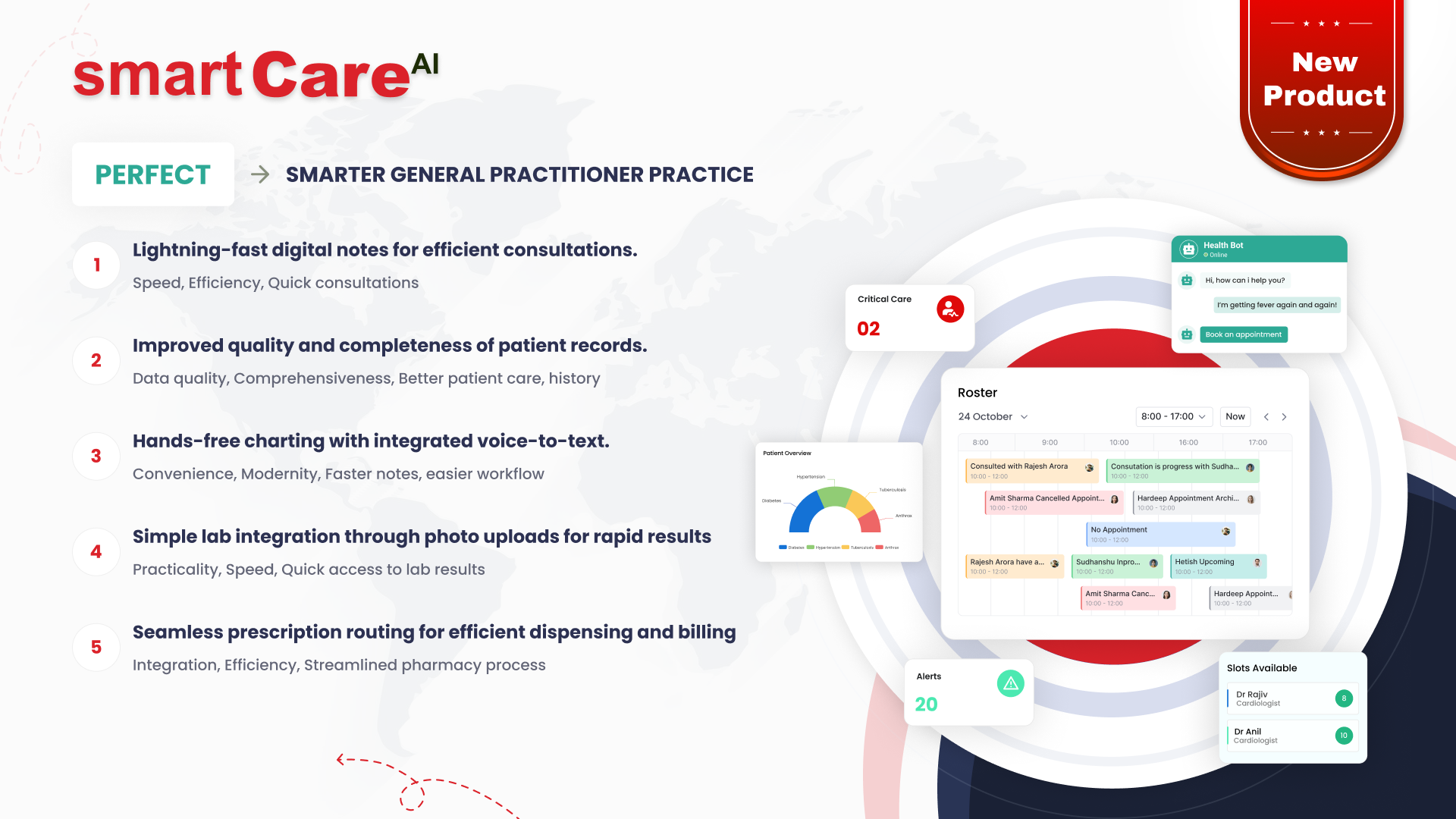
Digital health platforms are secure online systems that bring together medical information, communication tools, and care services in one place. These platforms allow patients and healthcare providers to access and share information easily, replacing many traditional paper-based and phone-based processes.
For patients, this means more convenience and transparency in how care is delivered. For providers, it means better coordination and more time available to focus on direct patient care rather than administrative tasks.
Making Healthcare More Accessible for Everyone
One of the most important benefits of digital health platforms is increased accessibility. Patients no longer need to travel long distances or wait for hours to see a clinician for minor concerns. With online portals and virtual consultations, care becomes available to people in rural areas, those with mobility challenges, or individuals with tight schedules.
This improved access helps more people receive timely care, reduces inequalities, and makes it easier for patients to stay engaged in their own health.
How Digital Platforms Improve Communication in Care Teams
Effective communication among healthcare professionals is essential for delivering high-quality care. Digital health platforms provide shared access to patient records and secure messaging tools that support better collaboration between doctors, nurses, specialists, and administrative staff.
When everyone involved in a patient’s care can see the same information in real time, misunderstandings and delays are reduced. Clear communication supports more coordinated and consistent treatment plans.
Reducing Wait Times with Online Appointments and Triage
Waiting for appointments and referrals can be one of the most frustrating parts of seeking healthcare. Digital health platforms help reduce these delays by offering online booking systems, automated triage questionnaires, and virtual consultations.
Patients can schedule visits at times that work for them and receive guidance on the urgency of their concerns without needing to phone multiple clinics. This efficiency not only improves patient experience but also helps clinics manage their schedules more effectively.
Empowering Patients with Easy Access to Their Health Records
Historically, patients often struggled to obtain or review their own health records. Digital health platforms change this by giving patients secure access to their medical information, test results, vaccination history, and treatment plans.
When patients can view their records easily, they are more informed about their health and more confident in conversations with their care teams. This transparency supports shared decision-making and encourages patients to take an active role in maintaining their wellbeing.
Supporting Remote Monitoring and Virtual Consultations
Digital health platforms make it easier for clinicians to monitor patients outside traditional clinical settings. With wearable devices and connected apps, vital signs and health metrics can be tracked in real time. This allows healthcare providers to identify changes early and intervene when necessary.
Virtual consultations further expand access to care, enabling patients to speak with clinicians from their homes. This convenience is particularly useful for individuals with mobility challenges or those living in remote areas. Together, remote monitoring and virtual care improve continuity and quality of care.
Using Data to Personalise Patient Care Plans
Digital health platforms collect valuable data about individual health patterns, treatment responses, and lifestyle factors. When analysed responsibly, this information can help clinicians tailor care plans to fit each patient’s unique needs.
Personalised care improves outcomes by focusing on what works best for each person rather than using a one-size-fits-all approach. By harnessing data responsibly, healthcare teams can make more informed decisions and support long-term wellbeing.
Boosting Efficiency in Healthcare Administration
Administrative tasks in healthcare — such as scheduling, billing, and record keeping — can be time-consuming and prone to error. Digital health platforms automate many of these processes, reducing manual work and the risk of mistakes.
With smoother administrative workflows, staff have more time to focus on patient care. Streamlining these operations also helps reduce costs and improve the overall efficiency of healthcare services.
Overcoming Challenges in Adopting Digital Health Platforms
Adopting digital health platforms comes with challenges, including technology integration, staff training, and ensuring patient privacy. These challenges require thoughtful planning and clear communication.
Healthcare organisations should prioritise education, involve clinicians in decision-making, and choose platforms that are compatible with existing systems. By addressing these challenges early, institutions can make the transition smoother and more effective.
Future Trends: Where Digital Health Is Heading Next
The future of healthcare will continue to be shaped by innovation in digital platforms. Emerging trends include the use of artificial intelligence to support diagnostics, more advanced telehealth features, and expanded use of predictive analytics to prevent health issues before they become serious.
As technology evolves, digital health platforms will become more integrated with everyday care, allowing for seamless experiences for both patients and clinicians. These trends point to a future where healthcare is more connected, data-driven, and patient-centred.
Conclusion
Digital health platforms are transforming how healthcare is delivered. By improving accessibility, facilitating better communication, reducing wait times, and empowering patients with their own information, they are shaping a more efficient, patient–centred healthcare system.
These platforms represent the future of healthcare delivery because they support both providers and patients in ways that traditional systems cannot match. To learn more about how digital health solutions can enhance care delivery and operations, visit https://smartdatainc.com/.
Share on: