Platformisation Service Model (PSM) Enhancing Scalability and Margins
The Company has adopted a Platformisation Service Model (PSM) to strengthen execution efficiency, improve scalability and support long-term margin expansion. Under this model, the Company develops and maintains a library of reusable technology components, standardised modules, integration connectors, workflow engines and shared architecture blocks that can be deployed across multiple client engagements and product environments. These components—internally referred to as “smartPods”—perform repeatable functions such as data processing, workflow automation, onboarding routines, compliance checks and system integrations.
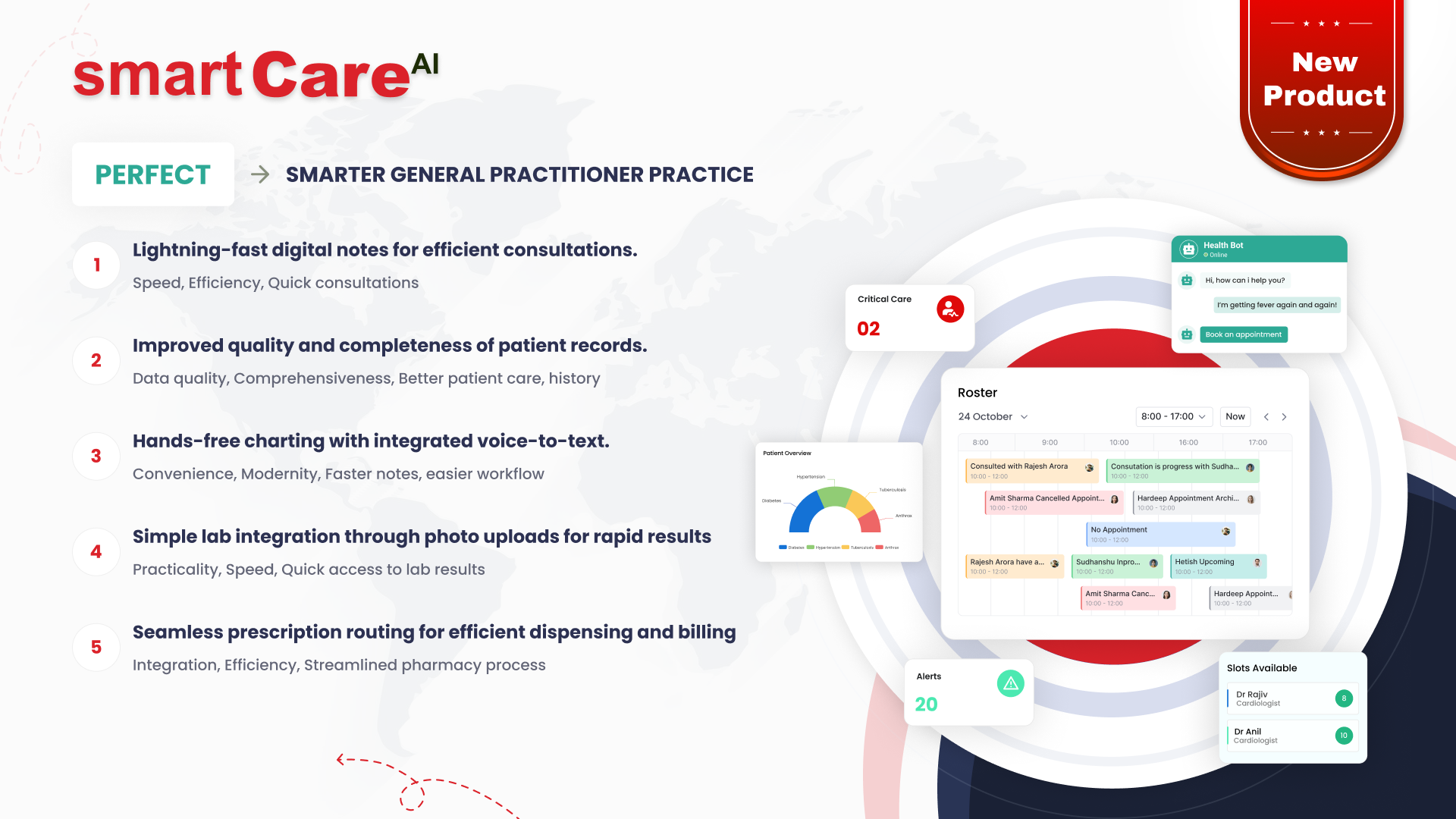
The Company’s platform-based architecture is intended to support the development and future commercialisation of its AI product suites—smartCareAI and smartAgenticAI—by using common infrastructure and components that can be configured across use cases. This approach is expected to create cost advantages and strengthen the Company’s intellectual property, subject to successful development and adoption.
Overall, the Platformisation Service Model improves operational stability, increases the productive use of engineering teams, ensures more predictable project delivery and helps the Company achieve better margins and long-term growth as more customers adopt platform-led solutions.
Delivery is increasingly anchored on the Platformisation Service Model (PSM), under which reusable platforms, accelerators and AI modules are deployed alongside services.
Key characteristics of the PSM include:
- Improved time-to-market through configurable, pre-built modules and accelerators.
- Greater engagement continuity through subscription-based access, platform upgrades and embedded workflows.
-
Improved ARR visibility and scalability, particularly through:
- smartCareAI (healthcare-focused suite under development)
- smartAgenticAI (enterprise and agentic automation suite under development)
-
Ability to offer solutions as:
- Standalone platform subscriptions
- Solution Pod offerings, combining platform components with consulting, integration and managed services
Client engagements typically commence with pilots or proof-of-concepts and scale into multi-year subscriptions, retainers and managed services, supporting predictability of revenues.