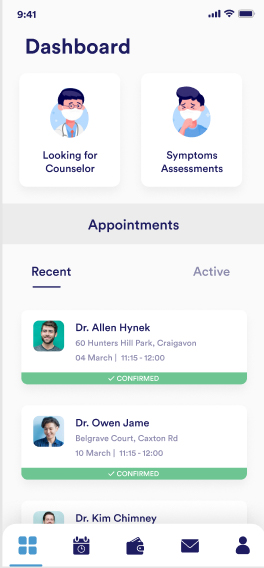
The current crisis has demonstrated the relevance of telehealth and created an opening to modernize the care delivery system. This modernization will be achieved by embedding telehealth in the care continuum at scale. A $3 billion revenue market has the potential to grow to $250 billion. The seeds for success will be sown in the next few months during the COVID-19 crisis. Healthcare systems that come out ahead will be those who act decisively, invest to build capabilities at scale, work hard to rewire the care delivery model, and deliver distinctive high-quality care to consumers.
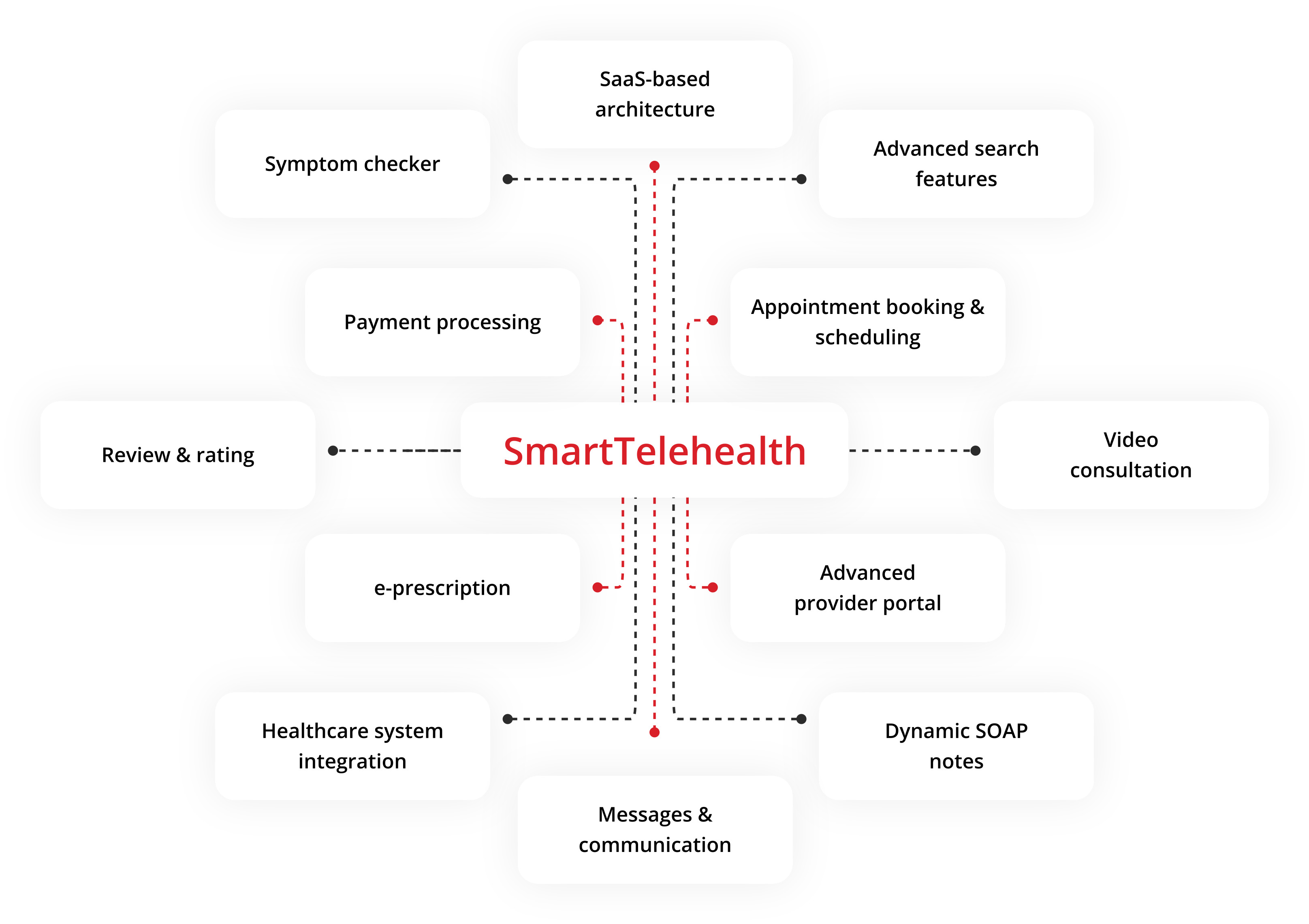
We design your business needs of smartTelehealth solution from personalized care applications to a real-time patient and doctor interaction platform. You don't need to wait for months to develop an application from scratch. We have a ready-to-use application, OWN IT.
The application is developed to manage various functions of an online store, including user authentication, inventory control, sales tracking, and reporting. It also supports automated email and SMS notifications. The system is built using Angular for the frontend and Node.js for the backend, with full support for multilingual usage, including RTL and LTR display for Arabic and English.
RUKU is a prayer-focused productivity application designed to help users stay mindful and distraction-free during Salah. The system automatically detects daily prayer times, activates app blocking during those periods, and ensures users remain focused by freezing selected distracting apps using Apple’s ScreenTime & DeviceActivity frameworks. The experience is supported by reminder notifications, a 7-day streak system, and a clean, minimal UI inspired by Islamic design principles. With user profiles, customizable settings, and secure subscription integration, RUKU provides a seamless and compliant solution that encourages consistency in prayer while respecting Apple’s privacy and platform guidelines.
This project focused on creating mapping reports to highlight geographic and linguistic disparities in OB/GYN service availability across Kansas. The objective was to provide visual evidence for healthcare researchers and policymakers to better understand provider distribution, identify underserved regions, and highlight language access barriers for Hispanic populations. The deliverables included static maps of provider clusters, Spanish-speaking access segmentation, and a custom symbolic visual to humanize the access challenge.