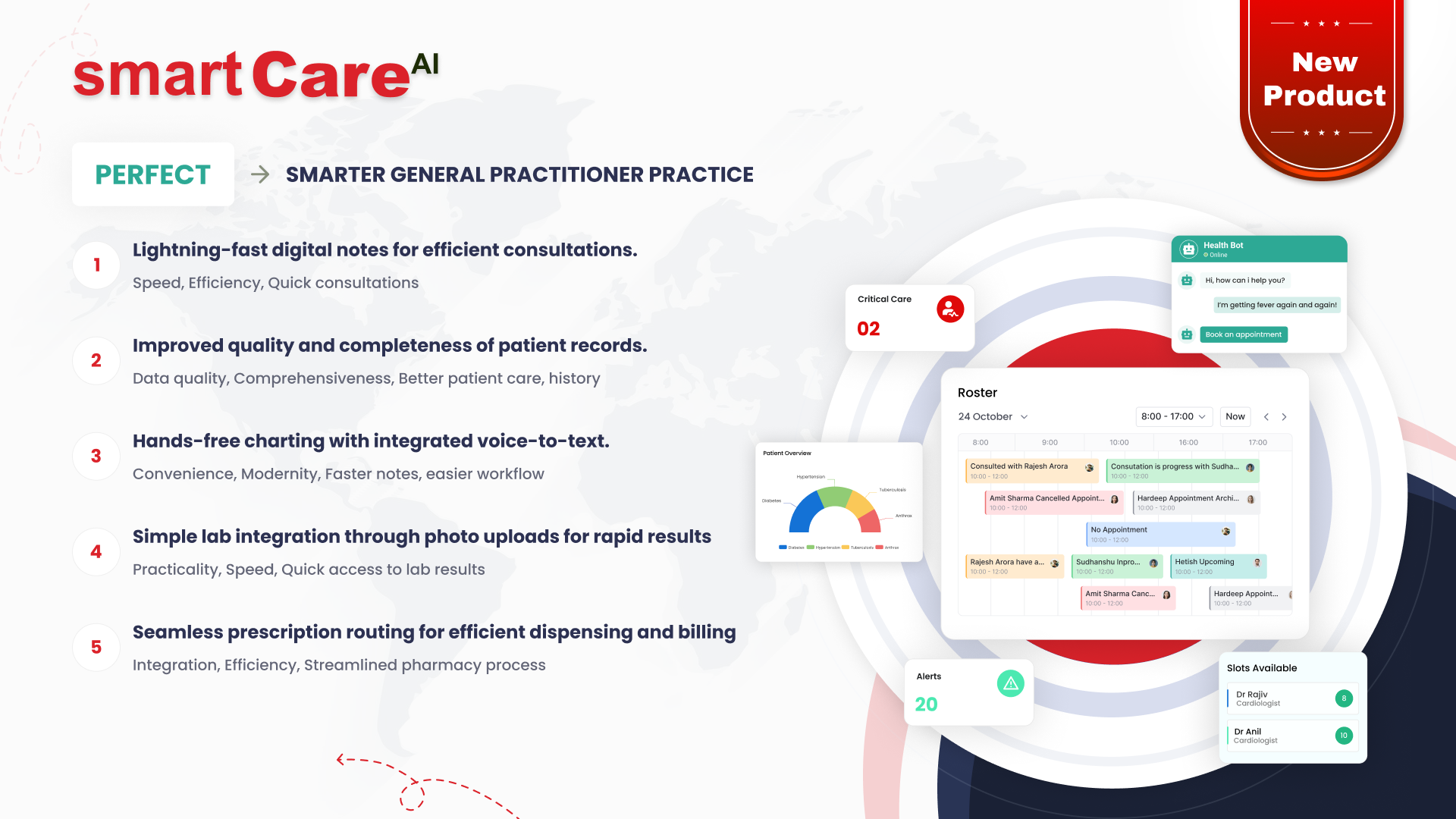
The integration of digital solutions offers numerous benefits that can transform business operations, enhance productivity, and drive growth.
The following are some of the benefits of developing and integrating the digital solutions in the business:
- Increased Operational Efficiency:
Automation of processes is the key to increase operation efficiency of a business. By automating routine tasks, businesses can streamline processes, reduce errors, and save valuable time.
- Better decision making:
Digital tools enable better data management and analysis, facilitating informed decision-making and identification of trends so that businesses can swiftly respond to market changes. Using the advanced analytics and business intelligence platforms allow businesses to gather, analyze, and interpret vast amounts of data in real-time.
- Enhanced customer experience:
Digital platforms like Chatbots provide businesses with opportunities to interact with customers more effectively, offering personalized experiences and timely support. Chatbots can help businesses to get direct customer feedback, capture intents which can help businesses to improve their offerings.
- Enhance communication and collaboration:
Tools like Microsoft teams, Slack, and Zoom enable employees to work together seamlessly, regardless of their physical location. This flexibility not only fosters teamwork but also supports remote work, which has become increasingly important in the post-pandemic era.
- Cost savings:
Cloud computing, for instance, reduces the need for physical infrastructure and lowers maintenance costs. Businesses can scale their operations up or down based on demand without significant capital investment.
In conclusion, the benefits of digital solutions for businesses are vast and multifaceted. By leveraging these technologies, companies can enhance efficiency, make better decisions, improve collaboration, engage customers more effectively, and achieve significant cost savings, ultimately driving long-term success and growth.
Modern UI Trends –
- Immersive scrolling
The latest trend in UX design is immersive scrolling, which aims to engage users and captivate them with the site’s content while guiding them through information in a narrative style. Immersive scroll experiences utilize images, videos, graphics, and sound design to immerse users in the content and present information in a more dynamic manner.
- Bento box design
The concept of Bento box came with its unique attributes of Efficiency, segregation, and attractive presentation. Using grids (3X3, 4X4) of different shapes with different sizes being assembled to create aesthetically attractive webpages. Some folks says its came from Japanese culture of balanced meal option they commonly use and some says apple promotional video promoted this.
- Minimalism
Minimalism is about keeping the design simple and clutter-free. It focuses on essential elements and removes anything unnecessary. This makes it easier for users to find what they need without being overwhelmed by too much information.
- Dark and light modes
With the emergence of Dark and light modes, we have seen significant change in designing applications nowadays. Significantly this has increased the user comfort and accessibility instead of traditional bright interfaces. These modes provides visually soothing colors and reduces the amount of light emitted by the screen, providing a comfortable browsing experience. This definitely add challenges for development as they have to take care of various elements like colors, typography and images while implementing the designs.
- Micro-Interactions
Micro interactions are small interactive animations/moments in UI that make product more intuitive and guide users. These interaction enhance UI while making elements engaging and enjoyable. Micro interactions can be used for icons, buttons, loaders, Chatbots, gamified animations. It helps in overall experience of product and turn good product into great product.
- 3D and animated visual elements
Making the experience smoother, interactive and more engaging 3D interactive objects are incorporated into the website.
- Gamification
For boosting engagement of website people started using game like elements into non-game environment. To motivate users using rewards like badges, points and gamifications elements implementation. Gamification is a modern strategy used in UX design to meet the increasing need for interactive and engaging digital experiences.
- Voice User Interface (VUI) Integration
Hand free interaction help users to engage with app without physical interaction and it will accessible to physical disable persons as well. VUI also works faster than typing commands.
- Mission and Vision:
Defining your north star is an essential part. For businesses, this destination is embodied by a well-defined mission and vision. The mission statement clearly outlines your core purpose – the problem you solve or the value you deliver. Your vision, paints a picture of your long-term aspirations, where you see your business in the future. A strong mission and vision serve as your roadmap, informing every decision you make and ensuring all your efforts are aligned towards a common goal.
- The Key to Relevance:
Your customers are the lifeblood of your business. To survive, you need a deep understanding of their needs, wants, and the challenges. Thorough research is needed to delve into their demographics, behaviours, and pain points. Actively engage with your customers through surveys, focus groups, and social media interactions to gather real-time feedback. By prioritizing customer understanding, you can ensure your offerings remain relevant and address their evolving needs.
- Talent Fuels Growth:
Surrounding yourself with a talented team is crucial for achieving long-term success. Seek out individuals who possess complementary skills and share your vision. Look for those who bring not only expertise but also a passion for learning and collaboration. By fostering a team environment built on open communication, mutual respect, and continuous learning, you empower your team to reach their full potential and drive innovation.
- Staying Ahead of the Curve:
The business landscape is constantly evolving. The strategies that worked yesterday may not be effective tomorrow. Successful businesses are those that embrace agility and innovation. Cultivate a culture that encourages creative thinking, experimentation, and a willingness to take calculated risks. Be open to adapting your approach based on market trends and customer feedback. This agility allows you to seize new opportunities, maintain existing business and allows you to stay ahead of the competition.
- Conclusion
Building a successful business is a continuous and slow process. Defining your purpose, understanding your customers, building a strong team and embracing innovation you can equip your business with the tools it needs to steer the ever-changing topography and achieve desired growth. The journey to success is paved with continuous learning and adaptation. So, stay informed and curious, be willing to experiment.
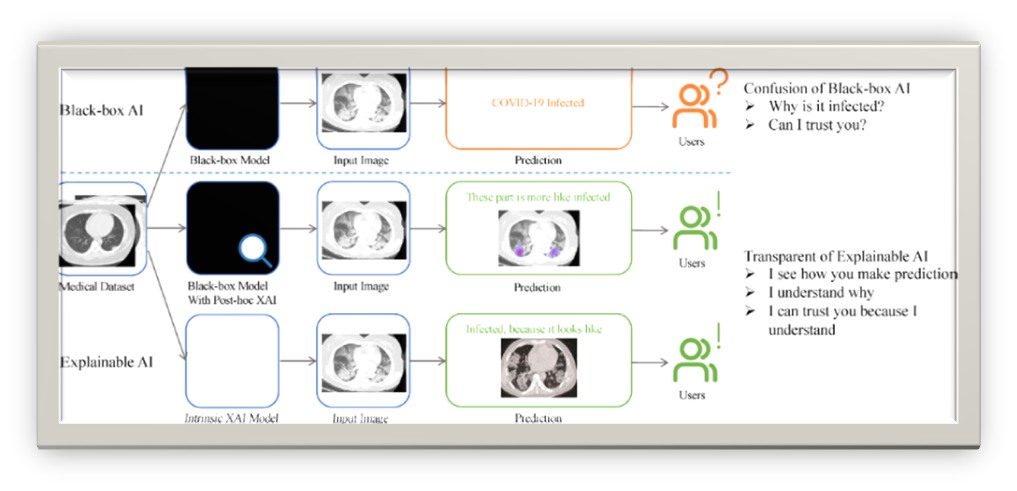
Explainable AI in Healthcare Industry
The integration of Explainable AI (XAI) in healthcare is transforming how we understand and trust AI decisions in critical medical contexts. XAI offers transparency in AI-driven diagnostics and treatment recommendations, empowering healthcare professionals with insights into the AI’s reasoning processes. This transparency is crucial for patient safety, ethical standards, and compliance with regulatory requirements. As we leverage AI to enhance diagnostic accuracy and personalized treatment plans, XAI ensures these technologies are accessible, comprehensible, and accountable. The ultimate goal? To build a healthcare system where AI’s revolutionary potential is matched by a deep trust in its decisions, fostering better patient outcomes and more informed clinical practices.
However, many businesses struggle to leverage technology effectively, often due to a lack of understanding or fear of change. leveraging technology is no longer optional—it’s essential for sustainable growth and competitive advantage. Whether you’re a small startup or an established enterprise, strategic adoption of technology can propel your business forward. Following are some key insights on how to leverage technology effectively for business growth:
Assess Your Current Position
Before embarking on any technological transformation, take stock of your existing tools and systems. Understand what works well and where there are gaps. Consider factors such as:
- Legacy Systems:
Are outdated systems hindering productivity?
- Costs:
Are you overspending on licenses or maintenance?
- User Experience:
How user-friendly are your current tools?
Fix Your Future Goals and Vision
Technology should align with your business objectives. Clearly articulate your growth vision and identify strategic gaps. Ask these questions yourself:
- What Are Your Goals?:
Is it revenue growth, market expansion, or increase in operational efficiency?
- Where Can Technology Help?:
Can automation streamline processes or enhance customer experiences?
Build Your Technology Roadmap
A roadmap ensures a structured approach to technology adoption. You can consider these 3 points:
- Prioritization:
Areas which need immediate attention?
- Integration:
How would new tools fit into your existing ecosystem?
- Communication:
Keep stakeholders informed about the journey.
Establish Your Implementation Strategy
Successful adoption requires planning:
- Change Management:
Prepare employees for the transition.
- Training:
Ensure all knows how to use new tools.
- Feedback Loop:
Continuously gather insights for improvement.
Measure Key Performance Indicators
Quantify the impact of technology:
- Efficiency Metrics:
Are processes faster and smoother?
- Customer Satisfaction:
Has technology enhanced user experiences?
- Growth Metrics:
Monitor revenue, customer base, and market share.
Revise and Adapt
Technology evolves rapidly. Stay agile:
- Feedback:
Listen and users and adapt
- Stay Updated:
Keep an eye on emerging trends.
- Optimize:
Regularly review and refine your roadmap.
Conclusion
Leveraging technology totally about strategic alignment. Embrace digital transformation as a continuous journey—one that empowers your business to thrive in an ever-changing landscape.
Our journey started with a small team with a big vision in our mind of “Scaling Expectations,” which we have achieved by expanding our reach and diversifying our offerings supplemented with unparalleled customer services. During this journey we have consistently pushed our boundaries to embrace technological advancements, innovating new ways to improve and adapt to the ever-changing needs of our clients.
We believe that our clients are the cornerstone of our success. Providing exceptional service to our clients has been our top priority, and we have worked tirelessly to ensure that every client receives the attention, support, and solutions they need. Our customer-centric approach has earned us trust and loyalty, and we are grateful for the lasting relationships we have built.
Our success story is incomplete without acknowledging the invaluable contributions of our dedicated employees. Their expertise, and firm belief in organization vision have always been a driving force behind our achievements. Together we have built a culture of 3Bs (Big Collaboration, Big Thinking and Big Communication), 3Rs (Right Mindset, Right Technique and Right Talent) and 3Cs (Customer Centricity, Credibility and Commitment) in our organization which has resulted in all the success for the past quarter of a century.
That said, we are thankful for the hard work and dedication of our team, the trust of our clients, and the support from our partners who have brought us thus far. As we look beyond, we find ourselves committed to continuously pushing our boundaries, exploring new technological frontiers, be innovative and delivering exceptional services to our customers for many years to come.
Cloud infrastructure –
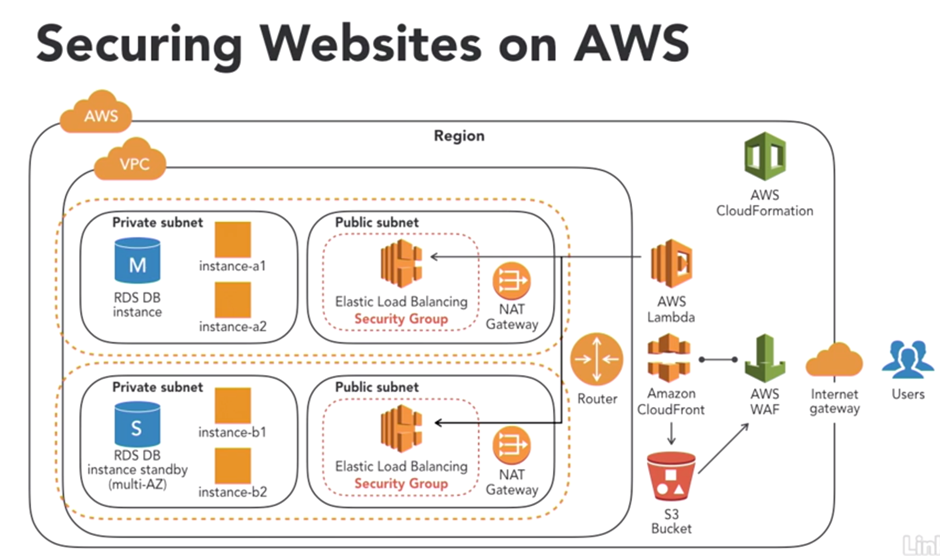
This provides the base infrastructure and services which can be easily configured and stitched together in designing solutions as per the business needs. Cloud services provides all the building blocks required to develop, test and deploy the solutions quickly without worrying about the hosting and environment details. Virtual machines can be deployed easily and quickly along with integration of storage services and fully managed database services can all be integrated together at a single cloud platform. Serverless architecture can easily be deployed where the cost of development and deployment gets reduced significantly as the charges will be based on the actual usage only and not based on assumptions of workloads. Also, with the serverless architecture the application can be scaled up easily without the need of human interventions in its management. A sample architecture on AWS is given below.
IoT –
The use of latest technology where most of the devices/wearables/cars/machines/etc. which interact with all of us during the whole day while working, physical training, workouts, sports, learning etc. help us use the technology in real time with the data being produced by all of these “things”. This real time generated data is processed in the backend and or at the device using edge technology to generate alerts, do prediction, notify other application/system/users. The use nano microcontrollers like Node MCU ESP8266 & Raspberry Pi has increased drastically which have strong processing power, highly optimized on power consumption and small physical size which gives the opportunity to build sensors based hardware devices with ease. It’s also enabling building highly scalable apps for critical care in enhancing healthcare services.
AI/ML –
No one in today’s world is unaware of these terms as these are extremely popular in marketing but at the same time highly useful in real world businesses. Applications in AI/ML can be categorized into 3 areas
- Pattern –
Based on the previous transactions in any business application we can identify patterns as one of the insights from the data.
- Prediction –
We can build and train custom models based on past data from the applications to make the predictions around it.
- Analytics –
Data visualization can be used to represent the data visually which can be helpful in identifying trends, patterns and extract business intelligence from the given data.
The use of AI for enhancing security systems with the integration of Computer vision can be a simple use case, whereas detecting the fall of any patient with the use of wearable device can be used as enhancing the patient care and monitoring systems in healthcare services.
DevOps –
This part of the technology has really enabled developers and business operations teams to work in a highly collaborative manner and has helped the business to release more features of the products to the production environment with enhanced stability. With DevOps pipelines and automated workflows with CI/CD, the code committed by development team goes thru the automation QA process and gets deployed on QA environment and from there on to the production environment with very minimal manual steps in the entire build release process.
Key Trends in Digital Transformation
- Cloud Computing:
The shift to cloud-based infrastructure continues to gain momentum, enabling greater flexibility and scalability.
- Artificial Intelligence (AI):
AI is increasingly adopted across industries to enhance customer experiences, optimize processes, and drive innovation.
- Internet of Things (IoT):
The growing network of connected devices is opening up new opportunities for data-driven insights and automation.
Industry-Specific Insights
- Healthcare:
Telemedicine and electronic health records are transforming patient care, while AI-assisted diagnostics improve accuracy.
- Finance:
Digital payments, blockchain, and mobile banking are redefining the financial services landscape.
- Retail:
E-commerce, social commerce, and augmented reality are changing the way consumers shop and interact with brands.
Overcoming Challenges
- Data Privacy and Security:
Protecting sensitive information and maintaining trust in the digital age.
- Workforce Transformation:
Upskilling and reskilling to address the talent gap in emerging technologies.
- Change Management:
Effective strategies for driving cultural shifts and adoption.
Success Stories
- Microsoft:
Leveraging AI and cloud to enhance customer experiences and drive business growth.
- DBS Bank:
Embracing digital transformation to become a leading fintech player.
- Warby Parker:
Using data analytics and digital marketing to disrupt the eyewear industry.
Conclusion:
Digital transformation is a journey, not a destination. By understanding key trends, industry insights, and success stories, businesses can navigate this transformative landscape and unlock new possibilities for growth and innovation.
Supercharging Efficiency and Productivity
One of AI’s biggest strengths is its ability to analyze massive amounts of data. This allows businesses to:
- Optimize processes:
AI can identify bottlenecks in production lines, recommend maintenance schedules, and even predict equipment failures. This translates to smoother operations and less downtime.
- Boost inventory management:
AI can analyze sales trends and customer behavior to ensure businesses have the right stock at the right time. No more stockouts or wasted storage space.
Enhancing the Customer Experience
AI is changing how businesses interact with customers. Here’s how:
- Personalized recommendations:
AI can analyze customer data to recommend products or services that are most relevant to their needs and interests. Think of the “recommended for you” section on your favorite shopping website.
- Improved customer service:
Chatbots powered by AI can answer customer questions 24/7, troubleshoot issues, and even escalate complex problems to human agents.
AI for a Brighter Future
The potential of AI goes far beyond just efficiency and customer service. Here are some exciting possibilities:
- Revolutionizing healthcare:
AI can analyze medical images to detect diseases earlier, develop personalized treatment plans, and even assist in surgery.
- Driving innovation:
AI can be used to design new products, materials, and processes, accelerating innovation cycles across industries.
The Future is Smart
At smartData, we believe AI is a powerful tool for building a smarter future. We’re committed to developing and implementing AI solutions that empower businesses to thrive in the ever-evolving landscape.
Ready to embrace the AI revolution?
Contact US today and let’s discuss how AI can transform your industry!
Advanced analytics and AI enable data-driven decision-making, crucial for understanding customer behavior and market trends in retail and fintech. Personalized services in healthcare and real estate enhance customer experience, while mobile apps and digital wallets improve user engagement in retail and fintech.
At smartData, we specialize in comprehensive digital transformation, covering strategy, design, customer impact, and scalable execution. Our solutions enhance efficiency and productivity in healthcare, logistics, real estate, retail, and fintech/insurTech. For example, in healthcare, custom web and mobile applications streamline patient management and telehealth services, while logistics operations benefit from optimized supply chain and fleet management systems. Real estate firms leverage digital tools for property management and virtual tours, improving transaction efficiency.
Scalable IT solutions facilitate growth in logistics and fintech, and robust cybersecurity measures ensure compliance and data protection in healthcare and financial services. Emerging technologies like blockchain and AI are driving innovation across logistics, healthcare, retail, and fintech.
smartData delivers tailored web, mobile, and AI solutions that optimize business processes and create multichannel customer experiences. Our expertise ensures businesses achieve operational efficiency, enhanced customer engagement, and sustainable growth in an ever-evolving digital landscape.