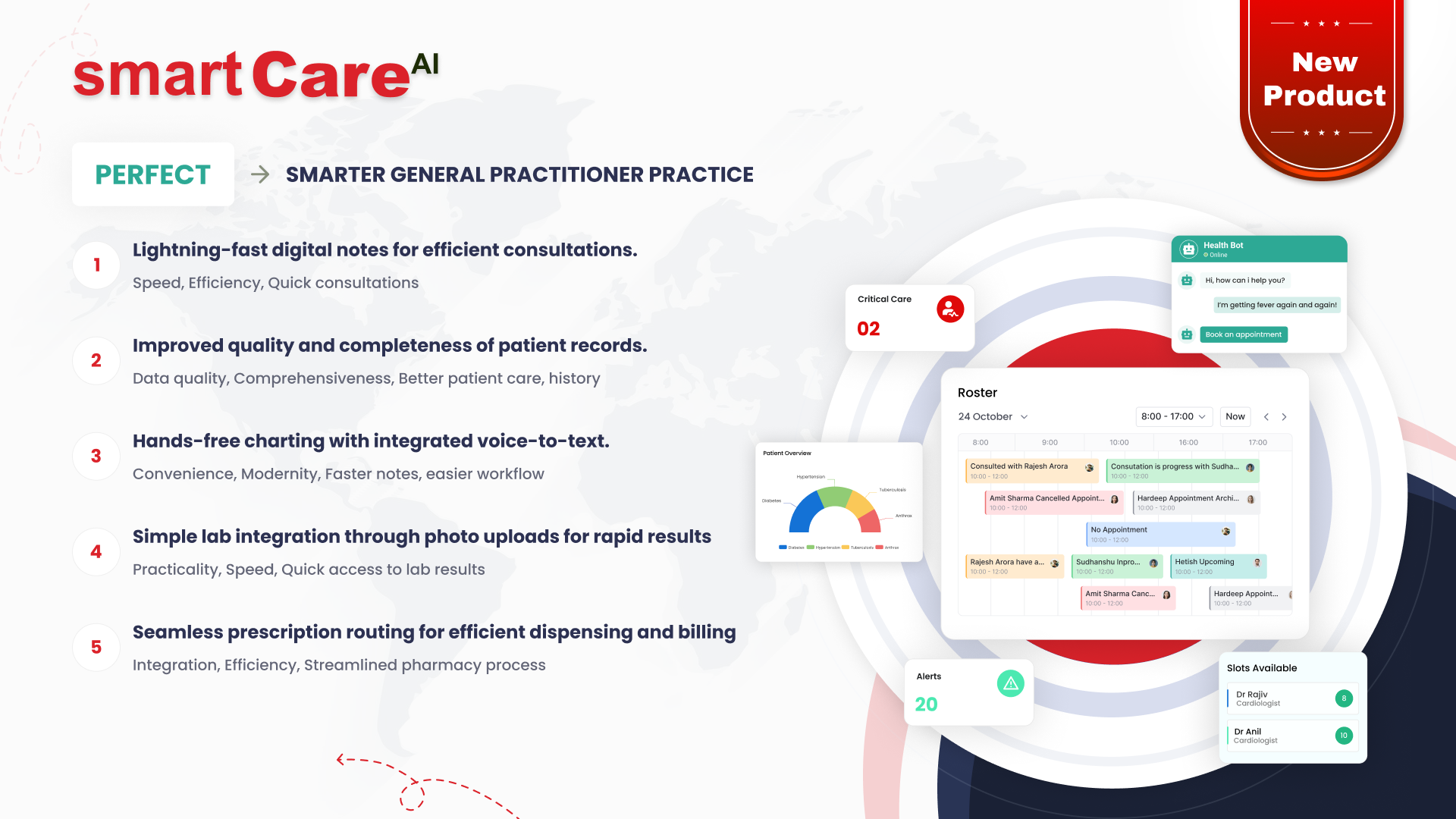
Our Recent HSS Case Studies

Tani Wellness
Tani Wellness launched as a gamified React Native + MERN wellness app (Mind, Body, Soul challenges, journaling, subscriptions), but had no personalized onboarding, no viral acquisition loop, and virtually zero organic discovery , the website had no structured data or SEO content, and both app store listings were unoptimized.

Addiction Treatment EMR & Billing Platform
Drug recovery centers needed a single platform to manage complex clinical workflows, patient care, documentation, medication administration, and billing without relying on disconnected systems. This will be an integrated EMR and billing platform designed specifically for substance use disorder and drug recovery programs. The solution brings patient onboarding, clinical assessments, treatment planning, encounters, clinical documentation, medication administration, laboratory workflows, scheduling, compliance, claims, billing, and revenue-cycle processes into a connected platform.

AI-Based Home Healthcare Platform
The client developed an AI-powered Home Healthcare platform named AutoMynd using a Node.js backend, Angular frontend, and SQL database. The engagement focused on extending the platform by introducing a HIPAA-compliant Revenue Cycle Management (RCM) module while enhancing critical operational workflows such as Scheduling and Order Management.

On-Demand Virtual Urgent Care Without the Waiting Room
ChatRx is an innovative telemedicine platform designed to provide fast, accessible, and affordable healthcare for 39 common infections. By combining an AI-driven symptom assessment chatbot with asynchronous doctor reviews, ChatRx eliminates wait times and the need for scheduling appointments. The platform consists of three core components: a responsive patient-facing frontend for symptom collection and payments, a comprehensive Admin portal for doctors to review cases and issue prescriptions, and a secure Node.js backend. Integrating seamlessly with Stripe and PayPal for billing and DoseSpot for compliant e-prescribing, the solution streamlines the entire patient journey. Strict security measures like , comprehensive audit trails, ensure complete HIPAA compliance and patient data privacy.

Telemerg
Healthcare organizations managing multiple clinics struggled with fragmented operations—appointment scheduling, patient communication, and consultation documentation were spread across disconnected tools, while doctors lost valuable patient-facing time to manual note-taking. Smaller clinics lacked affordable access to enterprise-grade management software, and reaching patients without smartphones or stable internet remained a persistent gap. smartData engineered TELEMERG, a subscription-based, multi-tenant SaaS platform that enables healthcare organizations to onboard and manage multiple clinics, doctors, and patients from a single solution.

Collective Care
Mental health professionals often rely on phone calls, emails, and personal contacts to refer patients, resulting in fragmented communication and limited referral visibility. CollectiveCare required a secure platform where therapists could build trusted professional networks, exchange referrals, verify credentials, and collaborate effectively. smartData developed CollectiveCare as a members-only networking platform that enables therapists to send and track referrals, create warm introductions, manage professional collections, and participate in specialized community forums. The platform includes public and private provider directories, AI-assisted profile onboarding, comprehensive administrative governance, and analytics for platform activity. Designed for a live user base with evolving requirements, the solution supports continuous enhancement while maintaining platform stability.

Intelligent Telehealth Platform for Connected Care
Healthcare organizations often struggle with fragmented systems, inefficient appointment management, and limited real-time collaboration between patients and providers. These challenges lead to delays in care delivery, administrative overhead, and reduced patient satisfaction. VitroMD is a comprehensive telehealth platform designed to unify virtual consultations, appointment scheduling, digital patient intake, clinical documentation, and secure data management within a single ecosystem.

Functional Medicine Telehealth Platform
The client required a scalable digital platform to streamline functional medicine workflows, where providers previously spent significant time manually analyzing complex lab reports alongside patient symptoms and medical history. We developed an AI-assisted telehealth platform that unifies patient intake, lab report uploads, biomarker analysis, and provider-reviewed care plans within a single ecosystem. The solution leverages AI for intelligent data extraction, pattern recognition, and biomarker correlation while ensuring healthcare providers retain full control over clinical decision-making. Additionally, the platform offers teleconsultation capabilities, subscription-based care programs, automated follow-ups, and wearable device integration, enabling personalized and continuous patient care while improving operational efficiency.

Wellness EMR Platform
The client had developed a functional React-based EMR system for internal use but lacked the backend infrastructure, security, and scalability required for production-grade clinical operations. We transformed the application into a HIPAA-compliant, multi-tenant SaaS platform by implementing a secure backend architecture, role-based access control, and tenant-level data isolation. The enhanced solution supports patient management, treatment planning, billing workflows, laboratory integrations, and e-prescription capabilities, providing a secure and scalable foundation for modern healthcare delivery.

Healthcare Integration Platform
We designed and implemented a middleware platform that standardizes communication between multiple Electronic Health Record (EHR) systems and a healthcare payment platform. By abstracting vendor-specific logic into a unified integration layer, the solution provides a single point of connectivity for diverse EHR systems. This architecture simplifies integrations, improves maintainability, enhances scalability, and enables faster onboarding of new healthcare providers while ensuring reliable payment processing and standardized data exchange.
Recent Portfolio Projects
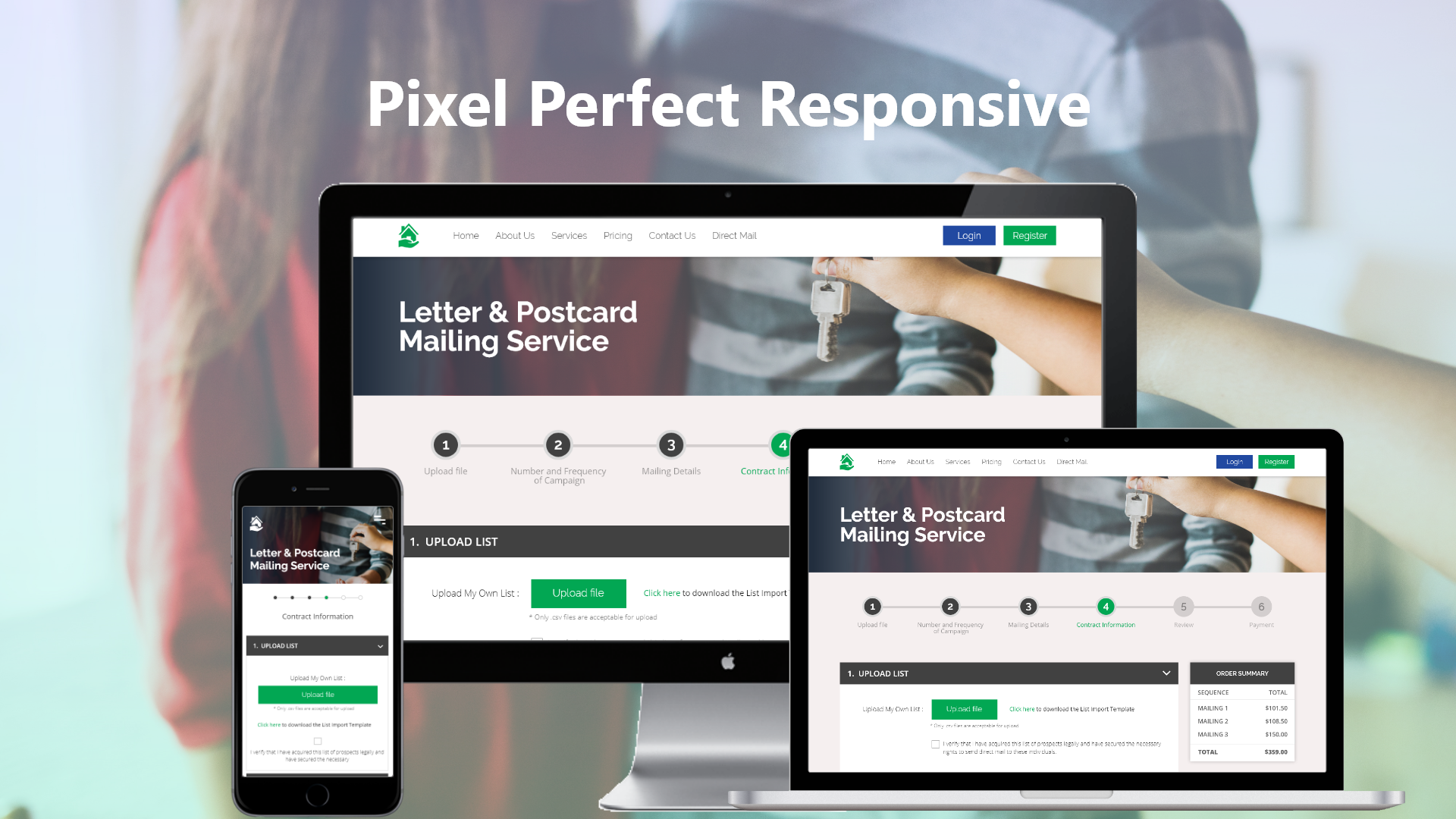

Property management ERP
A SaaS-based platform that provides a complete ecosystem for real estate investors and wholesalers to automate their business operations. The platform comes with different tools like - lead generation and capture , project management, accounting, scope of work and a customised CRM. The website builder module for users helps user to create their own marketing website in just a few clicks with a variety of available themes. The marketing site further serve as a lead generation source that integrates with CRM module.

Document and Process Automation Platform
An enterprise-level fintech & document-driven workflow automation platform. integrated document workflow solutions transform traditional roadblocks like accounts payable processing, document management, forms, and inventory/project management for industries including aged care, mining, retail, and manufacturing. It's an integrated platform allowing companies to plugin within other third-party platforms to handle & transmit data/info/processes etc in a secure & efficient manner.
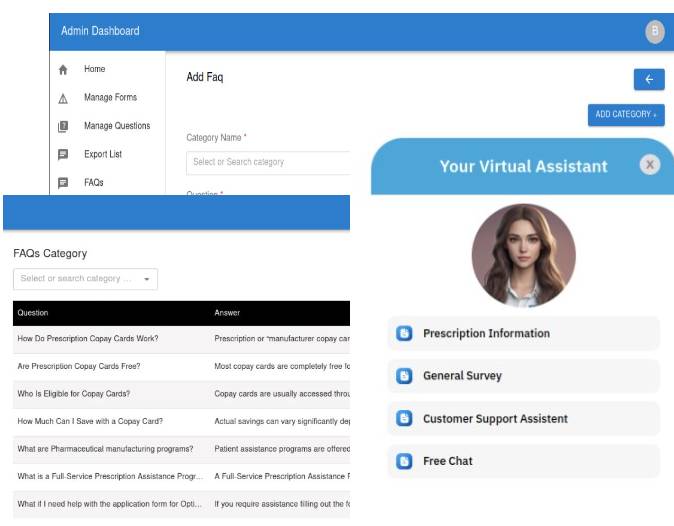
Patient BOT
The AI bot is designed to demystify the world of prescription assistance, offering a clear path towards managing patients medication needs affordably and efficiently. With the patient virtual assistant patient gain not just a tool, but a companion committed to helping you navigate the challenges of prescription assistance with ease and confidence.?
The goal is to enhance their ability to quickly read and interpret eligibility criteria from prescription assistance forms, answer frequently asked question which is dynamically managed by the staff.

Rental Automation & Compliance Intelligence Platform
Objective of the Rental Automation Platform was to digitize and automate rent collection, lease management, and jurisdiction-based compliance workflows for landlords and tenants across multiple regions.
Traditional rental operations require manual tracking of payments, late notices, lease terms, and legal compliance — all of which vary by province/state and create operational risk and administrative overhead. The goal was to design a unified SaaS platform that embeds regulatory intelligence, automates rent workflows, and provides an audit-ready system for dispute or legal proceedings.
Platform is designed to:
- Automate rent collection and payment reconciliation
- Generate legally compliant notices based on jurisdiction rules
- Track physical and digital delivery of notices for legal proof
- Provide AI-driven compliance validation and rule automation
- Enable secure tenant–landlord communication and audit trails
- Deliver real-time dashboards for payments, leases, and compliance
- Maintain immutable logs for dispute resolution and hearings
The solution transforms rental operations into a compliant, data-driven, and highly automated ecosystem for both landlords and tenants.
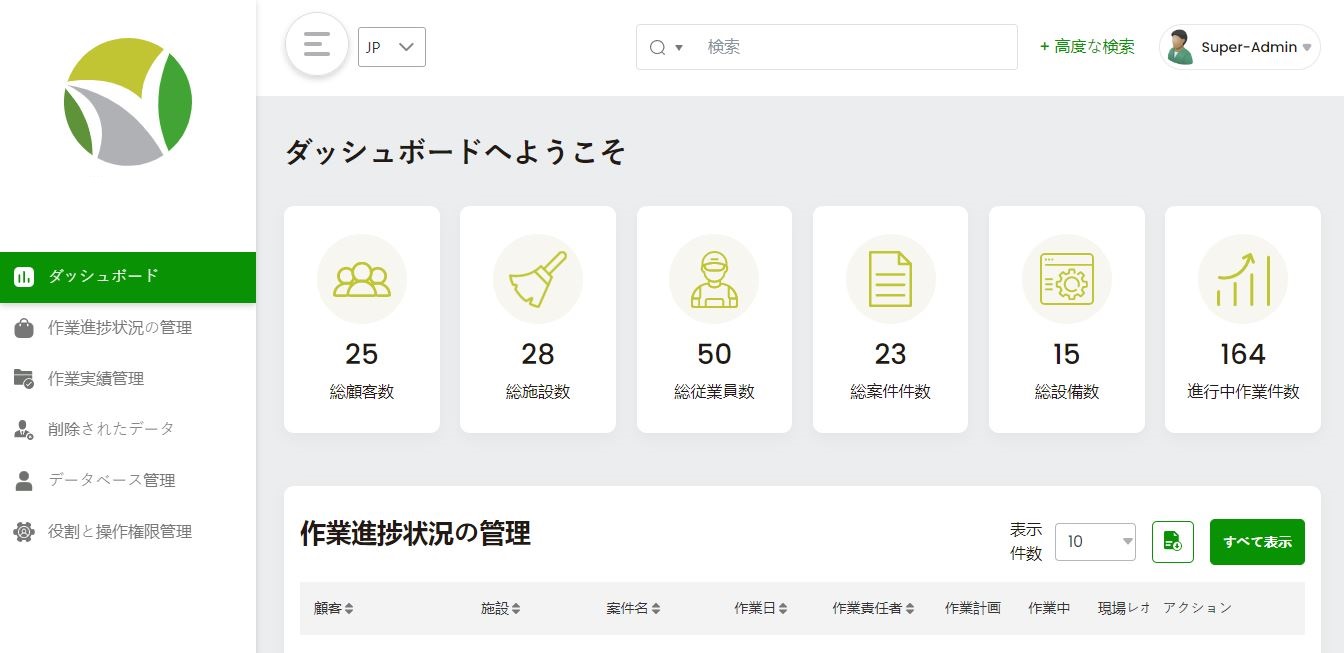
Building cleaning and maintanence
It is developed for a Japan-based single cleaning solutions provider company to automate and manage their day-to-day workflow and processes for a single cleaning solutions provider company. The solution aims to improve efficiency in managing staff, streamline reporting, and enhance communication between staff and superiors.
The system is web-based for company admins and staff and a mobile app for site workers that has the feature of offline sync when site staff works in the basement or out of network connectivity. It has role-based access features, allowing managerial staff to manage staff and schedules, and staff users have limited access to the web interface (To share a customized report with their superiors). It allows tracking the workload and activities of site workers for cleaning and maintaining multiple sites, along with a standard reporting format.

Compliance Management System
In today’s regulatory environment, ensuring that service providers meet all compliance requirements is critical. Our platform is designed to address the complexities of managing and tracking compliance documents, a task that is often cumbersome and prone to human error when handled manually.
The platform provides a comprehensive solution by allowing users to upload, store, and manage compliance documents in a centralized repository. The system automatically tracks the status of each document, sending reminders for updates and flagging any discrepancies or missing documentation. Additionally, the platform supports robust reporting features, enabling government bodies and STRAT to generate detailed reports on the compliance status of all service providers in real-time.