Posted On March 9, 2026
How Healthcare Software Solutions Improve Patient Outcomes
Technology has become an essential part of modern healthcare systems. Hospitals, clinics, and medical professionals increasingly rely on healthcare software to manage patient information, streamline operations, and support clinical decisions. These digital solutions help healthcare providers deliver more accurate, timely, and coordinated care.
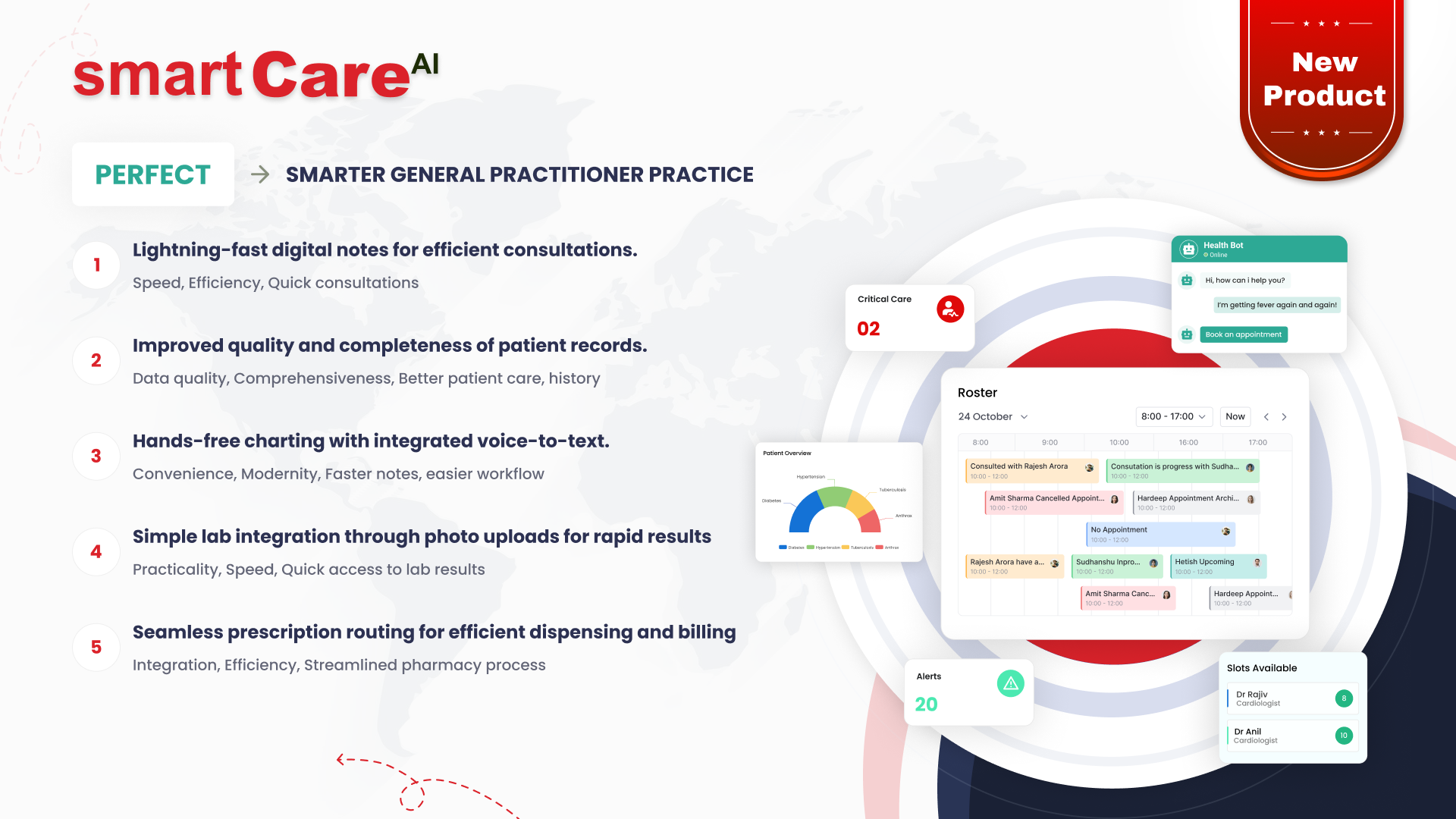
Healthcare software includes tools such as electronic health records, telemedicine platforms, patient management systems, and data analytics applications. By digitising patient information and improving communication between healthcare professionals, these systems make healthcare services more efficient and patient-centred. As a result, healthcare software plays an important role in improving patient outcomes and overall healthcare quality.
Understanding the Role of Healthcare Software in Modern Medical Care
Healthcare software refers to digital platforms that support the management of medical data, patient records, clinical workflows, and healthcare communication. These systems replace traditional paper-based processes with integrated digital solutions.
Electronic health records and patient management systems store comprehensive patient information, including medical history, lab results, diagnoses, and treatment plans. This centralised access to patient data enables healthcare providers to review important information quickly and make informed clinical decisions.
Digital healthcare systems also help reduce administrative tasks by automating scheduling, documentation, and billing processes. This allows medical professionals to spend more time focusing on patient care rather than paperwork. Overall, healthcare software helps healthcare organisations deliver services more efficiently and accurately.
Improving Patient Data Management with Electronic Health Records
Electronic Health Records (EHRs) are one of the most important healthcare software solutions used today. These systems store patient information digitally and allow authorised healthcare professionals to access it securely.
EHR systems provide a complete view of a patient’s medical history, including allergies, medications, diagnostic results, and previous treatments. Having access to this information helps doctors make better treatment decisions and avoid medical errors.
Digital records also reduce duplication of tests and improve coordination between healthcare providers. When multiple specialists are involved in a patient’s treatment, they can easily share information and collaborate more effectively. This improved communication helps ensure continuity of care and leads to better patient outcomes.
Enhancing Clinical Decision-Making with Digital Health Insights
Healthcare software platforms often include analytics tools and decision-support systems that help clinicians analyse patient data more effectively. These systems review medical records, laboratory results, and historical health information to assist healthcare providers in making accurate diagnoses.
Digital decision-support tools can highlight potential health risks, suggest treatment options, and identify abnormal test results. With real-time access to patient data, doctors can make faster and more informed decisions.
These insights also help reduce diagnostic errors and improve treatment accuracy. By analysing large volumes of healthcare data, digital systems support evidence-based medical decisions that contribute to improved patient care.
Telemedicine and Remote Care for Better Patient Access
Telemedicine has become an important part of modern healthcare services. Healthcare software enables virtual consultations between patients and healthcare professionals through secure video platforms and digital communication tools.
This technology makes healthcare more accessible for patients who live in remote areas or have difficulty travelling to medical facilities. Patients can consult doctors from their homes, receive follow-up care, and discuss treatment plans without needing to visit a clinic physically.
Telemedicine also supports continuous monitoring and follow-up care for chronic conditions. Doctors can review patient data remotely and intervene early if health conditions worsen. This improves access to healthcare services and helps maintain consistent patient care.
Real-Time Patient Monitoring and Early Intervention
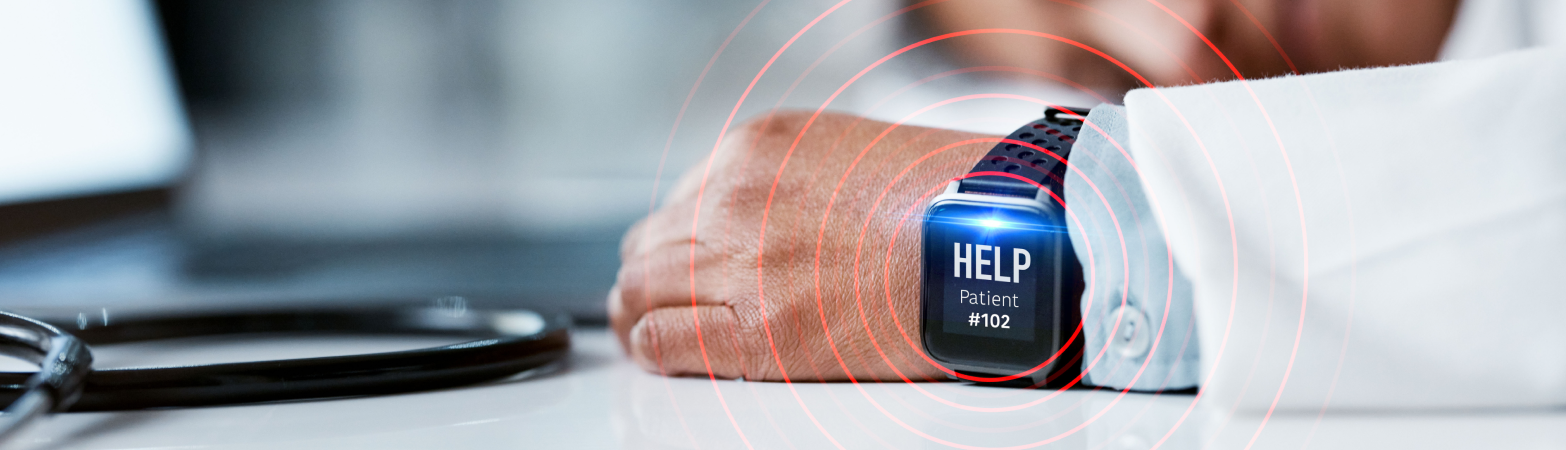
Modern healthcare software often integrates with wearable devices and remote monitoring systems that track patient health indicators in real time. These systems can monitor vital signs such as heart rate, blood pressure, glucose levels, and physical activity.
Real-time monitoring allows healthcare providers to identify potential health problems earlier and respond quickly. For patients with chronic illnesses, continuous monitoring helps prevent complications by enabling timely medical intervention.
Remote monitoring systems also reduce the need for frequent hospital visits while ensuring patients remain under medical supervision. This proactive approach to healthcare helps improve long-term patient outcomes and enhances overall quality of care.
Reducing Medical Errors with Automated Healthcare Systems
Medical errors can occur due to incorrect prescriptions, miscommunication, or incomplete patient information. Healthcare software helps reduce these risks by automating many clinical processes.
For example, digital prescribing systems can automatically check for drug allergies, dosage errors, or harmful drug interactions. Automated alerts notify healthcare professionals if any risk is detected.
Automation also improves documentation accuracy and reduces the chances of misinterpreting handwritten medical notes. These improvements contribute to safer healthcare practices and better patient outcomes.
Improving Patient Engagement Through Digital Health Platforms
Patient engagement is a critical factor in achieving positive healthcare outcomes. Digital health platforms encourage patients to take a more active role in managing their health.
Many healthcare systems provide patient portals or mobile applications that allow individuals to access medical records, schedule appointments, receive medication reminders, and communicate with healthcare providers.
When patients are better informed and more involved in their care, they are more likely to follow treatment plans and maintain healthy behaviours. Increased engagement helps improve long-term health outcomes and overall patient satisfaction.
Streamlining Healthcare Workflows for Better Care Delivery
Healthcare professionals often spend a significant amount of time on administrative tasks such as scheduling appointments, processing insurance claims, and maintaining medical records. Healthcare software automates many of these processes.
Automation reduces paperwork, minimises errors, and speeds up administrative workflows. When routine tasks are handled digitally, healthcare staff can dedicate more time to patient care.
Improved workflow efficiency leads to shorter waiting times, faster diagnostics, and more efficient healthcare delivery, all of which contribute to better patient outcomes.
Supporting Chronic Disease Management with Digital Tools
Chronic diseases require long-term monitoring and consistent treatment. Healthcare software helps manage chronic conditions through continuous data tracking, patient reminders, and remote monitoring systems.
Patients with chronic illnesses can use digital health tools to track symptoms, record health measurements, and communicate with healthcare providers regularly. This constant monitoring helps doctors adjust treatment plans quickly if a patient’s condition changes.
By supporting proactive disease management, digital health platforms improve quality of life and reduce the likelihood of serious complications.
Conclusion
Healthcare software solutions are transforming the way healthcare services are delivered. By digitising patient records, improving communication between healthcare professionals, and supporting data-driven decision-making, these technologies help medical providers deliver more accurate and efficient care.
From electronic health records and telemedicine platforms to real-time patient monitoring systems, healthcare software plays a key role in improving patient outcomes and enhancing the overall healthcare experience. As digital technologies continue to evolve, healthcare organisations that adopt modern software solutions will be better equipped to provide high-quality, patient-centred care.
To learn more about technology solutions that support digital transformation in healthcare and other industries, visit https://smartdatainc.com/.
Share on: