AI-Assisted Telehealth, Clinical Documentation & Medical-Aesthetics Operations Platform
Product Summary
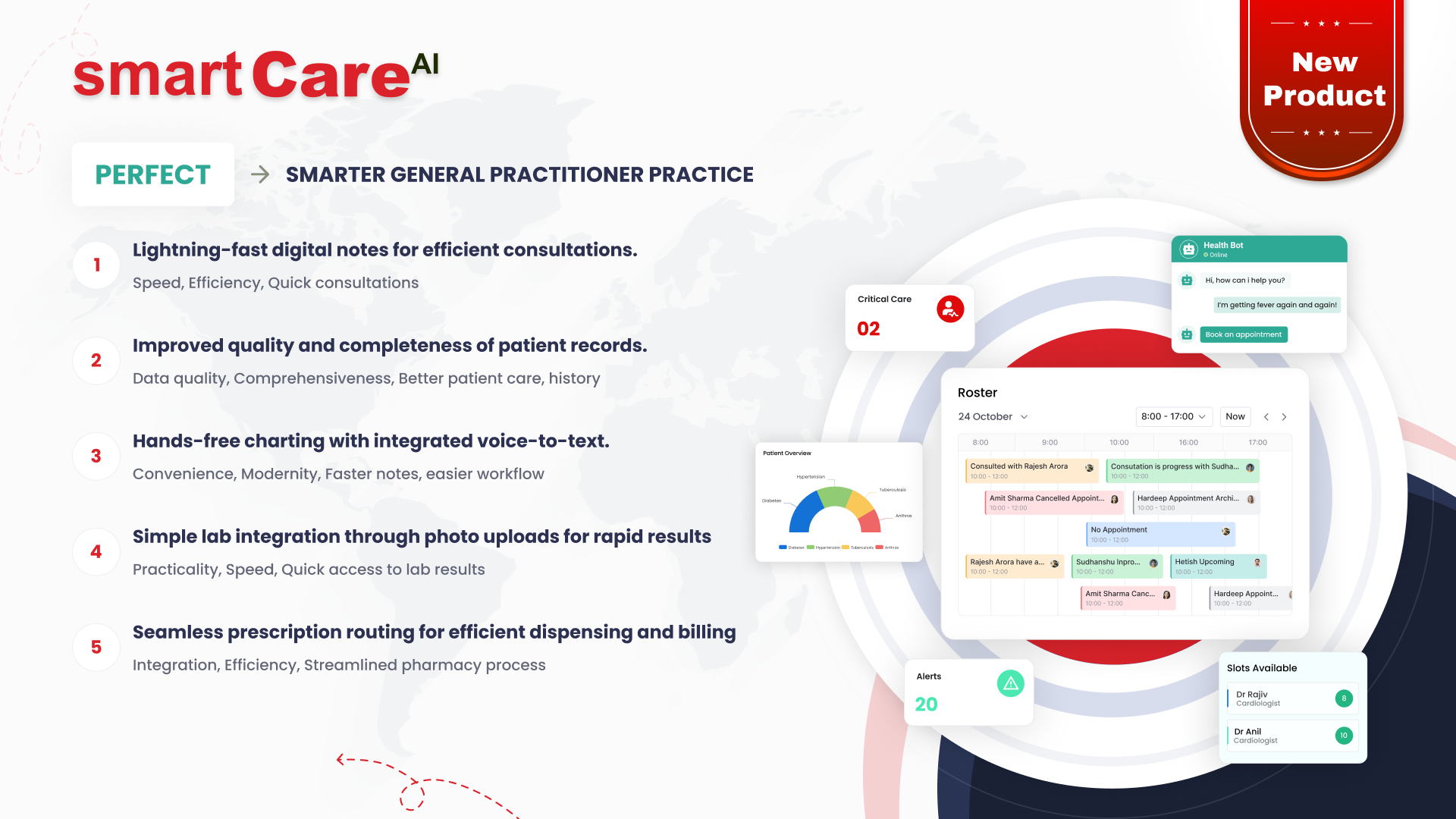
NeuGo’s QuickCare platform is designed to bring telehealth services and medical-aesthetics workflows into one connected system. It supports direct-to-consumer care for urgent-care, psychiatric, and weight-management needs, alongside clinic-mediated Good Faith Exams that provide medical clearance before in-office aesthetic treatments. smartData’s proposal covers a responsive web application and dedicated iOS and Android experiences for patients and providers, supported by clinic, provider, and administration portals. The platform scope includes guided patient intake, care requests, secure messaging, video consultations, a unified provider chart, AI-assisted clinical note drafting, diagnosis and coding support, e-prescribing, payments, identity verification, scheduling, credentialing, and operational alerts. AI-generated documentation remains subject to provider review and approval. The proposal defines a three-month delivery plan; the source document does not report completed implementation or measured business outcomes.
Features
- Patient Care Workflows: Guided intake and request management for Quick Care, Psych Care, and Weight Care, with care plans, messaging, and follow-ups.
- Good Faith Exams: Clinic portal for patient screening, provider video examination, signed clearance reports, and renewal tracking.
- Unified Provider Workspace: Shared case queue, patient chart, encounter documentation, diagnosis and treatment workflows across service lines.
- AI-Assisted Documentation: Draft clinical notes from visit audio and intake information, with provider editing, verification, and sign-off.
- Practice Operations: Admin tools for provider coverage, credentialing, scheduling, service-level monitoring, and configurable alerts.
Technical Challenges
- Supporting two care-delivery models : Use a shared data model and application architecture for direct B2C patient journeys and clinic-mediated B2B2C Good Faith Exam workflows.
- Maintaining clinical oversight with AI : Keep AI-generated notes and coding suggestions editable and subject to provider verification; preserve explicit approval and sign-off steps.
- Coordinating time-sensitive care operations : Provide unified queues, provider presence, shift coverage, configurable SLA thresholds, and escalating alerts for unclaimed cases.
- Managing sensitive healthcare information : Specify encryption in transit and at rest, MFA, role-based access, and audit logging within a HIPAA-aligned architecture; formal third-party audit is outside the MVP scope.
- Integrating external healthcare and business services : Plan connections for e-prescribing, pharmacy search, payments, identity verification, video, secure messaging, and notifications, with vendor costs and onboarding handled separately.