Posted On June 5, 2026
Benefits of AI in Reducing Hospital Workload
Hospitals around the world are facing increasing pressure to manage growing patient numbers, rising administrative demands, and limited healthcare resources. Healthcare professionals often spend significant amounts of time on routine tasks such as scheduling appointments, updating records, processing paperwork, and managing patient information. These responsibilities can reduce the time available for direct patient care.
Artificial intelligence (AI) is helping hospitals address these challenges by automating repetitive tasks and improving operational efficiency. By supporting healthcare staff with intelligent tools and data-driven insights, AI is reducing workload while helping hospitals deliver better patient outcomes.
Understanding the Growing Role of AI in Modern Hospitals
AI is becoming an important part of healthcare operations because of its ability to process large volumes of information quickly and accurately. Hospitals generate vast amounts of data every day, including patient records, diagnostic reports, appointment schedules, and billing information.
AI technologies can analyse this data, identify patterns, and automate routine processes that previously required manual effort. As healthcare systems continue to evolve, AI is helping hospitals improve efficiency while supporting healthcare professionals in their daily responsibilities.
Why Hospitals Are Turning to AI-Powered Solutions
Healthcare organisations are increasingly adopting AI solutions to improve productivity and reduce operational pressures. Staff shortages, increasing patient demand, and complex administrative processes have created a need for more efficient ways of managing healthcare services.
AI-powered tools can automate repetitive tasks, streamline workflows, and provide faster access to information. These capabilities help hospitals reduce administrative burdens while allowing healthcare professionals to focus more on patient care and clinical decision-making.
Reducing Administrative Burdens Through Intelligent Automation
Administrative work is one of the biggest contributors to hospital workload. Tasks such as data entry, appointment management, claims processing, and record maintenance can consume valuable time and resources.
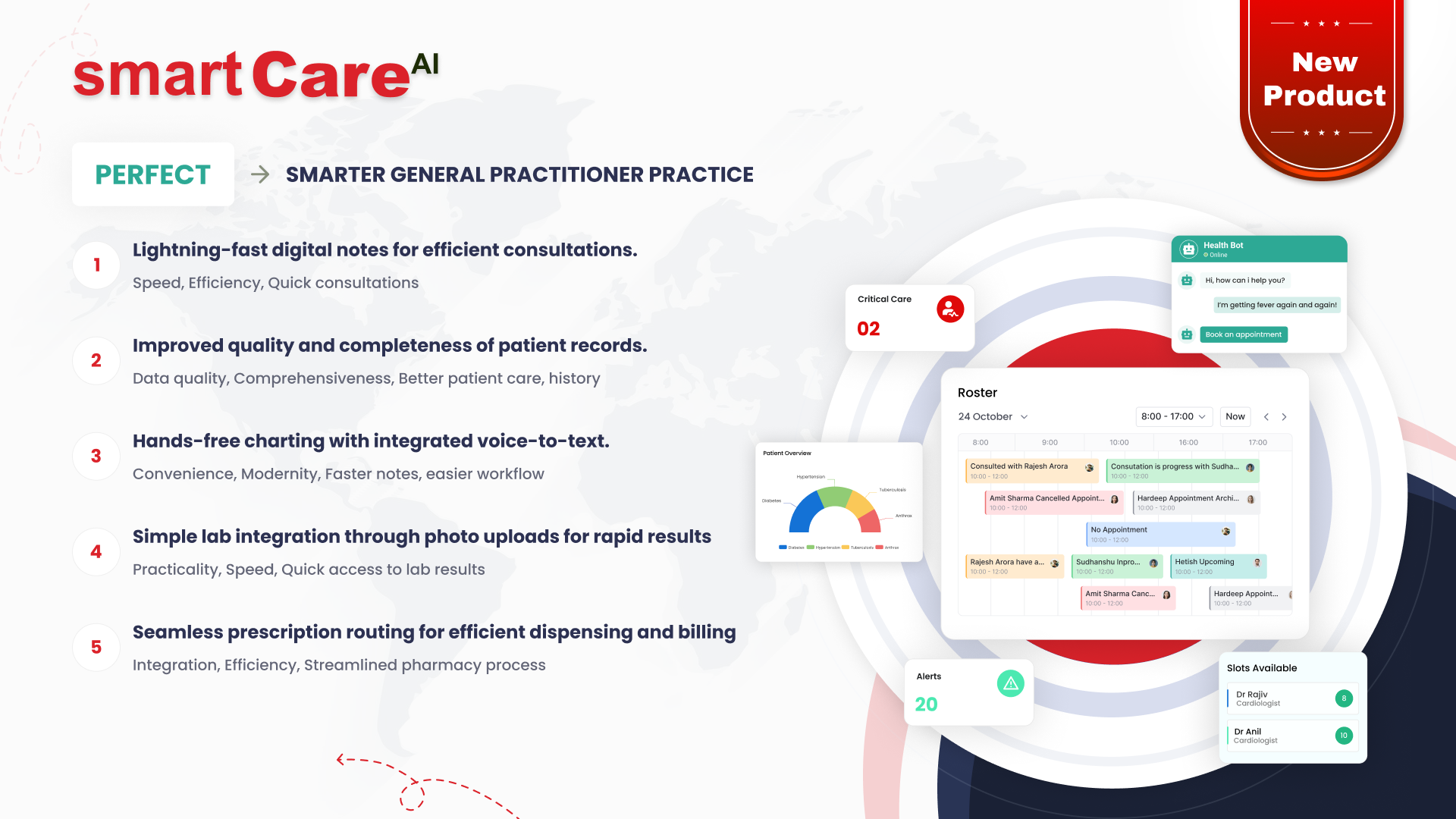
AI automation helps simplify these processes by handling repetitive tasks with minimal human intervention. Automated systems can update records, organise documentation, and manage routine workflows more efficiently. This reduces the amount of manual work required and improves overall operational productivity.
How AI Helps Streamline Patient Scheduling and Management
Managing appointments and patient flow is a critical part of hospital operations. Inefficient scheduling can lead to delays, overcrowding, and resource management challenges.
AI-powered scheduling systems can analyse patient demand, appointment availability, and healthcare provider schedules to optimise booking processes. These systems can also send appointment reminders and help reduce missed appointments. Improved scheduling helps hospitals operate more efficiently while enhancing the patient experience.
Improving Medical Data Processing and Documentation Efficiency
Hospitals manage large amounts of clinical and administrative data every day. Processing this information manually can increase the risk of errors and consume significant staff time.
AI can assist with data organisation, document processing, and information retrieval. Intelligent systems can quickly analyse records, extract relevant information, and support documentation workflows. This improves accuracy, reduces administrative workload, and ensures healthcare professionals have timely access to important patient information.
Supporting Healthcare Staff with Faster Access to Critical Information
Healthcare providers need quick access to patient records, medical histories, test results, and treatment information to make informed decisions. Searching through multiple systems or manually reviewing records can be time-consuming.
AI-powered systems can organise and analyse large amounts of healthcare data, making important information easier to access. This helps doctors, nurses, and administrative staff find the data they need more quickly, improving productivity and supporting faster clinical decision-making.
How AI Improves Resource Management and Hospital Operations
Managing hospital resources effectively is essential for maintaining smooth operations. Hospitals must coordinate staff schedules, medical equipment, patient beds, and inventory while responding to changing demands.
AI helps optimise resource management by analysing operational data and identifying areas where efficiency can be improved. Intelligent systems can forecast patient volumes, monitor resource usage, and support better planning. This helps hospitals reduce waste, improve service delivery, and make better use of available resources.
Enhancing Patient Care While Reducing Staff Workload
One of the most significant benefits of AI is its ability to improve patient care while reducing the workload on healthcare professionals. Automated systems can handle repetitive administrative tasks, allowing staff to spend more time with patients.
AI can also support patient monitoring, appointment management, and follow-up communication. By reducing the burden of routine processes, healthcare teams can focus on delivering more personalised and attentive care, leading to improved patient experiences and outcomes.
Overcoming Challenges in AI Adoption Across Healthcare Facilities
Although AI offers many advantages, implementing new technologies can present challenges for healthcare organisations. Common concerns include data privacy, system integration, staff training, and regulatory compliance.
Successful AI adoption requires careful planning and collaboration between healthcare providers, technology teams, and administrators. Hospitals must ensure that AI solutions are secure, reliable, and aligned with healthcare regulations. Addressing these challenges helps maximise the benefits of AI while minimising potential risks.
The Future of AI-Driven Hospital Workflows and Operations
The role of AI in healthcare is expected to expand as technology continues to advance. Future AI systems may support more sophisticated automation, predictive analytics, and personalised healthcare services.
Hospitals are increasingly exploring AI-powered tools for patient management, resource planning, diagnostics, and operational optimisation. As these technologies become more advanced, AI will continue helping healthcare organisations improve efficiency, reduce workload, and enhance the overall quality of care.
Conclusion
AI is playing a significant role in reducing hospital workload by automating routine tasks, improving scheduling processes, and streamlining data management. These capabilities help healthcare organisations operate more efficiently while allowing staff to focus on delivering high-quality patient care.
As hospitals continue embracing digital transformation, AI will become an increasingly valuable tool for improving productivity, reducing operational pressures, and enhancing healthcare services. To learn more about healthcare technology solutions and digital transformation services, visit smartData Inc.
Share on: